-
-
Olive Hospital: Nanalnagar, ‘X’ Road, Mehdipat...
Hyderabad TS - 500028

Contact Info
-
Address
Olive Hospital: Nanalnagar, ‘X’ Road, Mehdipatnam, Hyderabad.
Appointments: 040 40 499 500.
Olive Sarvodaya Hospital: Adj. to Asif Nagar Police Station, Asif Nagar, Hyderabad TS - 500028
Appointments: 040 67 499 500
Hyderabad TS - 500028 -
Phone
9951108100
-
Email
info@olivehospitals.com
27
Mar
Treatment of Fibroids
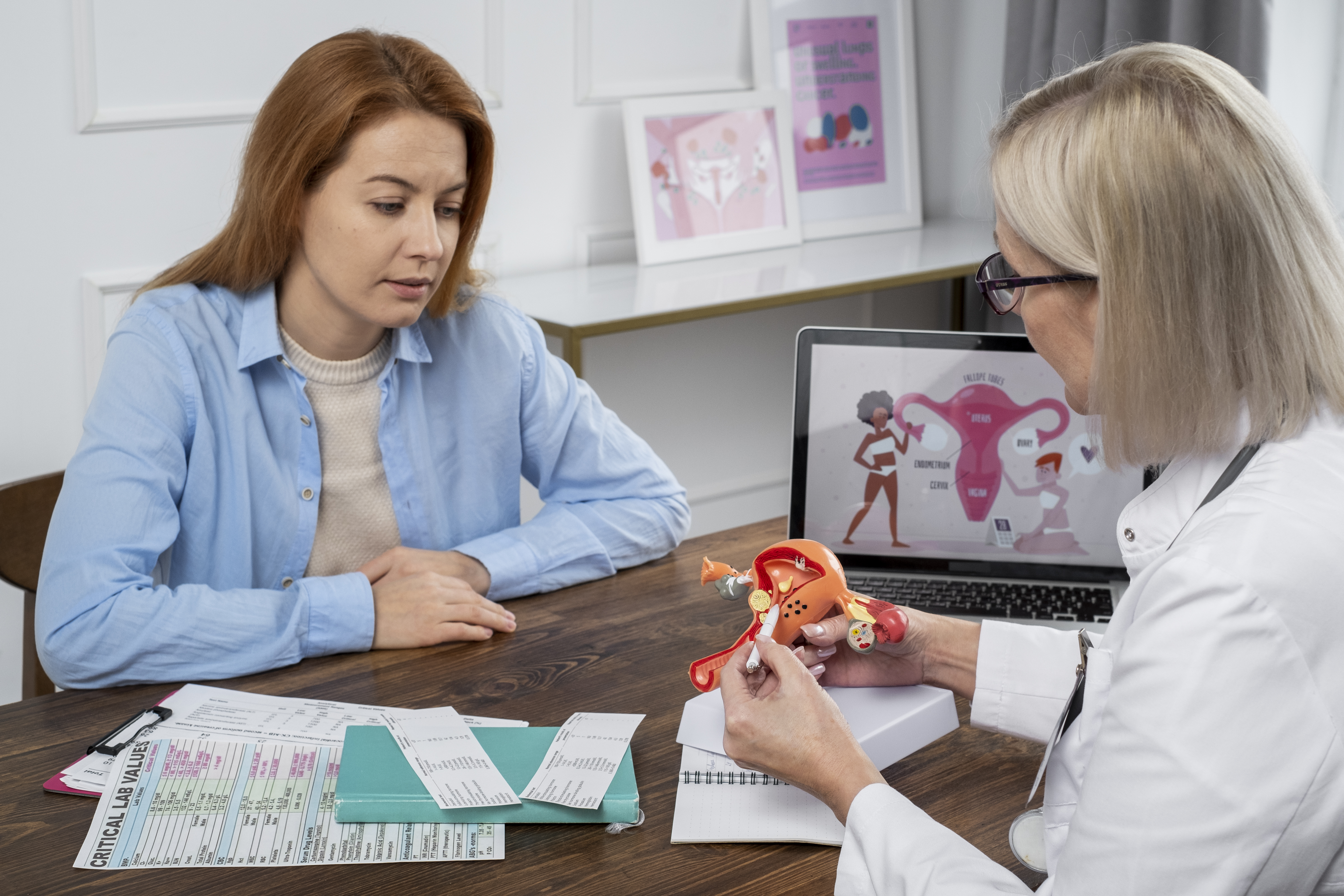
What Do You Need to Know About the Treatment of Fibroids?
Fibroids are a topic that touches the lives of a significant number of women, yet they often remain shrouded in mystery and misinformation. Medically known as uterine leiomyomas or simply myomas, fibroids are the most common non-cancerous (benign) tumours of the uterus. They can vary dramatically in their shape, size, and location within the uterus-ranging from as small as a pea to as large as a melon.
Here is a statistic that might surprise you: approximately 35% of women of childbearing age have fibroids. Even more striking is that more than 50% of women who have fibroids experience no symptoms at all and are completely unaware of their presence. These "silent" fibroids are often discovered accidentally during a routine ultrasound or scan performed for an entirely different reason, such as a health check-up or an antenatal visit.
At Olive Hospital, Hyderabad, we believe that knowledge is empowering. Whether you have just been diagnosed with fibroids, are experiencing symptoms, or are planning a pregnancy, understanding your condition and the available treatment options is the first step towards taking control of your health.
Symptoms: When Fibroids Make Their Presence Known
While many women live with fibroids unknowingly, others can experience a range of symptoms that significantly impact their quality of life. The symptoms depend largely on the size, number, and location of the fibroids. Common signs that may indicate the need for treatment include:
- Heavy and Prolonged Menstrual Bleeding: This is one of the most common symptoms. Periods may become so heavy that they interfere with daily life, leading to anaemia, fatigue, and weakness.
- Pelvic Pressure and Heaviness: A feeling of fullness, pressure, or heaviness in the lower abdomen, almost like being pregnant.
- Abdominal Cramps: Sharp or dull cramps in the pelvic region, which may not be limited to the time of menstruation.
- Frequent Urination: Large fibroids can press against the bladder, reducing its capacity and causing a frequent or urgent need to urinate.
- Constipation and Rectal Pressure: Fibroids pressing on the bowel can lead to bloating, constipation, and discomfort.
- Pain During Intercourse: Depending on their location, fibroids can cause deep pain during sexual activity.
- Lower Back Pain or Leg Pains: In some cases, fibroids can press on nerves in the lower back, causing radiating pain.
For women who experience these problems, the condition is not just a medical diagnosis; it is a daily challenge that requires attention and, often, treatment.
The Lifecycle of a Fibroid
Once fibroids develop, they generally remain in the body until menopause. They are fueled by the hormones oestrogen and progesterone. This is why they typically grow during the reproductive years, especially during pregnancy when hormone levels are high, and why they tend to shrink and cause fewer problems after menopause when hormone levels decline.
Fibroids and Fertility: What You Need to Know
One of the biggest concerns for women with fibroids is their impact on fertility. The relationship between fibroids and the ability to conceive is complex and highly dependent on the fibroid's characteristics.
- Location Matters: The location of the fibroid is the most critical factor.
- Submucosal Fibroids: These grow just underneath the lining of the uterine cavity. They can distort the cavity and act like a "foreign body," potentially interfering with implantation of a fertilized egg. These are the most likely to affect fertility and cause recurrent miscarriages.
- Intramural Fibroids: These grow within the muscular wall of the uterus. If they are large (typically over 4-6 cm), they can distort the shape of the uterine cavity or affect blood flow to the lining, making it harder for an embryo to implant.
- Subserosal Fibroids: These grow on the outside of the uterus. They rarely affect fertility unless they become extremely large and cause pressure effects.
- Pre-Conception Evaluation: The good news is that most women with fibroids can become pregnant. However, if a woman has been trying to conceive without success, or has a history of miscarriages, a thorough evaluation is necessary. Before considering surgery, it is standard practice to evaluate both the woman and her partner for other potential causes of infertility. If the fibroids are identified as the primary culprit, treatment may be recommended before attempting conception again.
Fibroids and Pregnancy: Navigating the Journey
If a woman with fibroids does become pregnant, a new set of considerations arise. The biggest concerns are the risks of miscarriage and preterm birth. During pregnancy, due to the surge in hormones and increased blood flow, fibroids can grow rapidly.
In some cases, a fibroid can undergo a process called "red degeneration," where it outgrows its blood supply, causing intense pain and sometimes triggering contractions. This can be very distressing and may require hospitalization for pain management and monitoring. It is important to note that surgery for fibroids is almost never performed during pregnancy as it poses a significant risk to both the mother and the developing baby. The goal during pregnancy is to manage symptoms and support the woman until delivery.
Do Medications Make Fibroids Disappear?
This is a very common question, and the answer is nuanced. Currently, there are no specific medications that can make fibroids permanently disappear.
- Symptom Control: Medications, such as hormonal contraceptives, tranexamic acid, or GnRH agonists, are primarily used to control symptoms. They can help manage heavy bleeding or reduce pelvic pain.
- Temporary Size Reduction: Certain medications, like GnRH agonists, can temporarily shrink fibroids by putting the body into a temporary, reversible menopause-like state. However, this is a short-term solution.
- The Rebound Effect: The crucial thing to understand is that once the medication is stopped, the hormones return, and the fibroids almost always grow back to their original size-or even larger. Furthermore, these medications do not improve fertility or pregnancy outcomes. Therefore, while medication plays a role in managing symptoms, the mainstay of definitive treatment for symptomatic fibroids is surgery.
Surgical Treatments: Myomectomy vs. Hysterectomy
When fibroids cause significant symptoms, two primary surgical options are available. The choice between them depends largely on a woman's desire for future fertility.
1. Myomectomy: The Fertility-Preserving Option
Myomectomy is the surgical removal of fibroids while leaving the healthy uterine tissue and the uterus itself intact. For a woman who wishes to preserve her fertility and potentially become pregnant in the future, myomectomy is the treatment of choice.
Thanks to advances in technology, myomectomy can often be performed using minimally invasive techniques, leading to faster recovery and less pain.
- Laparoscopic Myomectomy (Keyhole Surgery): This is the most common approach for fibroids located in the muscle wall (intramural) or on the outer surface (subserosal). The surgeon makes a few small incisions in the abdomen. A tiny camera (laparoscope) and specialized instruments are inserted to visualize and carefully remove the fibroids. The benefits are significant: reduced postoperative pain, minimal scarring, shorter hospital stay (often discharged the next day), and a much quicker return to normal life.
- Hysteroscopic Myomectomy: This procedure is specifically for submucosal fibroids, the ones located just under the lining of the uterine cavity. It is performed using a hysteroscope, a thin, lighted telescope inserted through the vagina and cervix into the uterus. No incisions are made on the abdomen. The fibroid is shaved or removed using specialized instruments. It is usually a day-care procedure, meaning the patient can go home the same day.
Important Consideration: After a myomectomy, especially if the uterine cavity was entered or the fibroids were large, the uterine wall may be weakened. If a patient becomes pregnant afterwards, the mode of delivery is typically a Caesarean section (C-section) to avoid the risk of uterine rupture during labor.
2. Hysterectomy: The Definitive Solution
Hysterectomy is the surgical removal of the entire uterus. This is a major surgery that permanently ends the ability to menstruate and to bear children. It is considered only for women who have completed their families and for whom other treatments are not suitable or have failed. For these women, hysterectomy offers a definitive, permanent solution to fibroids, eliminating symptoms and the chance of recurrence.
Non-Surgical Treatment: Uterine Artery Embolization (UAE)
For women who wish to avoid surgery but do not plan future pregnancies, a non-surgical option called Uterine Artery Embolization (UAE) is available.
- How it Works: UAE is a minimally invasive procedure performed by an interventional radiologist. Tiny particles (embolic agents) are injected into the blood vessels (uterine arteries) that supply blood to the fibroids. This blocks the blood flow, causing the fibroids to shrink and die.
- Recovery: Recovery time is often shorter than for a traditional hysterectomy.
- Crucial Note: UAE is generally not recommended for women who desire future pregnancy. While pregnancies have been reported after UAE, the procedure can affect blood flow to the ovaries and the endometrium (uterine lining), potentially impacting fertility and increasing the risk of complications in a future pregnancy.
Conclusion: Personalized Care at Olive Hospital
As you can see, there is no single "correct" treatment for fibroids. The best approach varies from case to case. It depends on a complex interplay of factors: your age, your symptoms, the size and location of your fibroids, and, most importantly, your personal desire for future fertility.
At Olive Hospital, Hyderabad, our team of gynaecological specialists is dedicated to providing comprehensive, personalized care. We take the time to listen to your concerns, perform a thorough evaluation, and explain all your options in clear, simple terms. Whether you need symptom management, a minimally invasive myomectomy to preserve your fertility, or guidance through a pregnancy with fibroids, we are here to support you every step of the way.
If you are experiencing symptoms or have been diagnosed with fibroids and have questions, we invite you to schedule a consultation. Let us help you find the right path to better health and well-being.
Frequently Asked Questions (FAQs) About Fibroid Treatment
- Can fibroids turn into cancer?
No, this is extremely rare. Fibroids are benign (non-cancerous) growths. The chance of a fibroid being or becoming cancerous (a leiomyosarcoma) is less than 1 in 1,000. Routine monitoring and evaluation of symptoms help ensure that any unusual changes are caught early. - Do all fibroids need to be treated?
No. If you have fibroids but no symptoms, treatment is usually not necessary. Your doctor may recommend a "watchful waiting" approach with regular check-ups and ultrasounds to monitor their growth. - I had a myomectomy. Can my fibroids grow back?
Yes, there is a possibility of recurrence. Myomectomy removes existing fibroids, but it does not cure the underlying tendency to develop them. New fibroids can grow over time. The recurrence rate varies, but regular follow-ups are recommended. - How long is the recovery after a laparoscopic myomectomy?
One of the major benefits of laparoscopic (keyhole) surgery is faster recovery. Most patients are discharged from the hospital within 24-48 hours. They can usually return to light, sedentary work within 1-2 weeks and resume normal activities and exercise after about 4-6 weeks, depending on the complexity of the surgery. - Is hysteroscopic myomectomy painful?
Hysteroscopic myomectomy is performed under anaesthesia (either general or spinal), so you will not feel pain during the procedure. After the procedure, you may experience mild cramping for a day or two, which is usually manageable with over-the-counter pain medication. - Can I have a normal delivery after a myomectomy?
It depends on the type of myomectomy performed. If the uterine cavity was entered or the fibroids were large and deep, the uterine wall is weakened. In such cases, a C-section is recommended to avoid the rare but serious risk of uterine rupture during labor. Your surgeon will advise you on the safest mode of delivery based on your specific surgery. - What is the best age to get fibroids treated?
There is no "best age" for treatment. The decision is based on symptoms and fertility desires. A woman in her 20s or 30s with symptomatic fibroids who wishes to conceive will likely be recommended a myomectomy. A woman in her 40s who has completed her family and has severe symptoms may consider a hysterectomy or UAE. - Are there any home remedies or dietary changes that can shrink fibroids?
While no diet can make fibroids disappear, a healthy lifestyle can help manage symptoms and support overall health. A diet rich in fruits, vegetables, and whole grains, and low in red meat and processed foods, may help. Maintaining a healthy weight is also important, as obesity is a risk factor for fibroids. - Will fibroids affect my menopause?
No, fibroids do not affect the timing of menopause. However, menopause naturally affects fibroids. As oestrogen and progesterone levels decline, fibroids typically stop growing and begin to shrink, often leading to a resolution of symptoms. - Does Olive Hospital offer all these treatment options?
Yes. At Olive Hospital, Hyderabad, we are equipped to offer a full spectrum of care, from medical management to advanced minimally invasive surgeries like laparoscopic and hysteroscopic myomectomy, as well as counselling for hysterectomy. We provide personalized care to help you make the best decision for your health.