-
-
Olive Hospital: Nanalnagar, ‘X’ Road, Mehdipat...
Hyderabad TS - 500028

Contact Info
-
Address
Olive Hospital: Nanalnagar, ‘X’ Road, Mehdipatnam, Hyderabad.
Appointments: 040 40 499 500.
Olive Sarvodaya Hospital: Adj. to Asif Nagar Police Station, Asif Nagar, Hyderabad TS - 500028
Appointments: 040 67 499 500
Hyderabad TS - 500028 -
Phone
9951108100
-
Email
info@olivehospitals.com
23
Mar
Back Pain

Back Pain and Spine Disorders: When to See a Surgeon
Back pain is a near-universal human experience. At some point in our lives, most of us will feel that familiar twinge, ache, or sharp stab in our back. For many, it's a temporary inconvenience. But for a growing number of people, back pain is a chronic, debilitating condition that significantly impacts their quality of life. In today's world, spine-related ailments are becoming increasingly common, driven largely by modern lifestyle changes. From the IT professional in Cyber Towers to the student in Jubilee Hills, the combination of prolonged sitting, excessive mobile and computer use, poor posture, and a sedentary lifestyle is taking a heavy toll on our spines.
At Olive Hospital, Hyderabad, we understand that back pain can be worrying. While most cases resolve with simple measures, it is crucial to know when a seemingly simple ache might signal a more serious underlying problem. This guide will walk you through common spine disorders, the importance of early evaluation, and most importantly, when you need to consider consulting a spine surgeon.
Understanding Common Spine Problems
The spine is a complex and elegant structure of bones (vertebrae), discs, nerves, and ligaments. Problems can arise in any of these components. Some of the most common spine issues we see include:
- Low Back Pain: This is the most prevalent complaint. It can range from a dull, constant ache to a sudden, sharp pain. Causes are often mechanical, related to muscle strain, ligament sprain, or issues with the discs and joints.
- Neck Pain (Cervical Pain): Similar to low back pain, neck pain is often caused by poor posture, especially from looking down at phones ("text neck") or sitting at a computer for hours.
- Slipped Disc (Disc Prolapse or Herniation): The soft cushion between your vertebrae can bulge or rupture, pressing on nearby nerves. This can cause intense pain, numbness, or weakness.
- Sciatica: This is not a condition itself but a symptom. It refers to pain radiating along the path of the sciatic nerve, which runs from your lower back down through each leg. It is often caused by a herniated disc pressing on the nerve root.
- Lumbar Canal Stenosis: A narrowing of the spinal canal in the lower back, which puts pressure on the spinal cord and nerves. This is common in older adults and can cause pain, numbness, and weakness in the legs, especially when walking.
- Cervical Spondylosis: Age-related wear and tear affecting the spinal discs in your neck. It's a very common condition that can lead to neck pain and stiffness.
- Osteoporotic Spine Fractures: As we age, bones can become brittle due to osteoporosis. This can lead to compression fractures in the vertebrae, causing sudden, severe back pain.
- Spine Infections and Tumours: While less common, these are serious conditions that require immediate medical attention. They can cause persistent, unexplained pain that is often worse at night.
The Importance of Awareness and Early Evaluation
Most spine problems begin subtly-a bit of mild pain, some stiffness after waking up. Often, they can be managed effectively if addressed early. Ignoring these early warning signs, repeatedly self-medicating with over-the-counter painkillers, or relying on unverified advice can allow a minor issue to worsen and become a chronic, debilitating condition.
There is a crucial distinction to be made between common mechanical back pain and pain that signals a more serious neurological problem. Certain symptoms are considered "red flags" and require urgent medical attention. If you experience any of the following, you should seek help from a specialist at Olive Hospital immediately:
- Progressive Weakness: Noticeable and worsening weakness in your arms or legs, making it hard to lift things, climb stairs, or get up from a chair.
- Numbness in the Saddle Area: Loss of sensation in the areas that would touch a saddle-the inner thighs, buttocks, and genital region.
- Loss of Bladder or Bowel Control: Sudden incontinence or difficulty urinating or having a bowel movement. This is a medical emergency known as Cauda Equina Syndrome.
- Severe, Persistent Pain: Pain that does not get better with rest, wakes you up at night, or is getting progressively worse.
- Unexplained Weight Loss: Losing a significant amount of weight without trying, especially when accompanied by back pain.
- Fever with Back Pain: The presence of a fever alongside spinal pain could indicate an infection.
- History of Trauma: Severe pain following a fall, accident, or injury.
When to Consult a Spine Surgeon
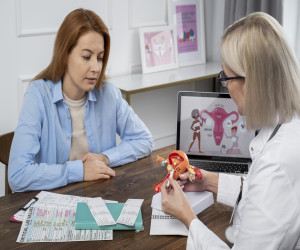
The idea of seeing a surgeon can be intimidating. However, a spine surgeon's role is not just to operate; it is to provide a comprehensive diagnosis and guide you through the entire spectrum of treatment options. You should consider consulting a spine surgeon at Olive Hospital when:
- Pain Persists Beyond 4-6 Weeks: If your back pain has not improved after four to six weeks of conservative treatment (like rest, medication, and physiotherapy), it's time for a specialist evaluation.
- You Have Radiating Pain: If your pain is not just in your back but shoots down your arm (from the neck) or leg (from the lower back), it suggests nerve root irritation, like sciatica.
- You Experience Neurological Symptoms: Any numbness, tingling (pins and needles), or weakness in your limbs warrants a specialist's opinion.
- Your Daily Life is Significantly Affected: When pain prevents you from sleeping, working, or performing your daily activities, it's time to seek expert help.
- Imaging Shows a Structural Problem: If a previous X-ray, CT scan, or MRI has shown a problem like a herniated disc, stenosis, or fracture, a surgeon can help you interpret what that finding means for your specific situation.
Early evaluation by a spine surgeon ensures an accurate diagnosis. It helps rule out serious conditions and creates a structured, personalized management plan for your recovery.
Non-Surgical Management of Spine Disorders
This is the most important point to remember: the vast majority of spine patients-nearly 80 to 90%-do not require surgery. Most spine problems can be successfully managed with a comprehensive, non-surgical approach. At Olive Hospital, our first line of treatment always focuses on conservative care, which may include:
- Medication: To manage pain and reduce inflammation.
- Physiotherapy: A structured program of exercises to strengthen the core muscles that support the spine, improve flexibility, and correct movement patterns.
- Lifestyle Modification: This is crucial. It involves making changes to your daily routine, such as using an ergonomic chair, taking frequent breaks from sitting, and improving your posture.
- Posture Correction: Learning how to sit, stand, and lift objects correctly to avoid putting unnecessary strain on your spine.
- Core Strengthening Exercises: A strong core acts like a natural brace for your spine, providing stability and reducing the load on the discs and vertebrae.
- Weight Management: Excess weight, especially around the abdomen, puts significant strain on the lower back. Losing weight can dramatically reduce pain.
- Activity Modification: Learning to pace yourself and avoid activities that trigger your pain.
Proper guidance from our team of specialists and a commitment to a structured rehabilitation program form the absolute cornerstone of effective spine care.
When is Spine Surgery Needed?
Spine surgery is only considered when conservative treatment has failed to provide relief after an adequate trial, or when there is a significant and urgent threat to neurological function. Surgery is not a first resort; it is a carefully considered option for specific conditions. Typical indications for surgery include:
- Progressive Neurological Deficit: This is a key indicator. If you are experiencing worsening weakness in your limbs despite treatment, surgery may be needed to stop the progression and allow for recovery.
- Cauda Equina Syndrome: As mentioned earlier, this is a surgical emergency. Loss of bladder or bowel control requires immediate decompression surgery to prevent permanent paralysis and loss of function.
- Severe Nerve Compression with Intractable Pain: When a disc herniation or stenosis causes severe, unrelenting pain that does not respond to any other treatment and significantly disables the patient.
- Spinal Instability: This occurs when the spine has lost its normal stability, often due to fractures, severe degeneration, or the removal of tumors. Surgery is needed to fuse and stabilize the spine.
- Certain Fractures, Tumours, or Infections: These conditions may require surgical intervention to remove the pathology, stabilize the spine, and relieve pressure on the nerves.
Modern Advancements: Minimally Invasive and Robotic Spine Surgery
If surgery becomes necessary, there is good reason to be optimistic. The field of spine surgery has advanced tremendously. Gone are the days of only large, open incisions and lengthy recoveries. At Olive Hospital, Hyderabad, we are committed to offering the latest, most advanced techniques.
- Minimally Invasive Spine Surgery (MISS): These techniques use smaller incisions, causing less damage to the surrounding muscles and tissues. This often results in less post-operative pain, shorter hospital stays, and faster return to normal activities.
- Robotic-Assisted Spine Surgery: Robotic systems provide surgeons with unparalleled precision and control. They allow for 3D pre-operative planning and real-time navigation during the procedure. This is especially valuable for complex cases like spinal fusions, tumour removal, and placing screws in patients with distorted anatomy. The result is a safer, more accurate surgery with potentially better long-term outcomes.
Conclusion: Don't Live with the Pain
Your spine is central to everything you do. Living with chronic back pain can drain your energy, limit your activities, and affect your mood. The journey to recovery begins with a single, informed step. Remember, most back pain gets better without surgery, but it is vital to know the warning signs that require a specialist's attention.
If you are struggling with persistent back or neck pain, or if you have experienced any of the "red flag" symptoms, don't wait. Consult the expert team at Olive Hospital, Hyderabad. We are here to provide a thorough evaluation, explore all conservative treatment options, and guide you on the best path forward-whether it's simple lifestyle changes or, if absolutely necessary, advanced surgical care. Take control of your spine health today.
Frequently Asked Questions (FAQs) About Back Pain and Spine Disorders
- I have back pain. Should I get an MRI immediately?
Not usually. For most acute back pain, an MRI is not needed in the first few weeks. Initial management focuses on conservative care. An MRI is typically recommended if you have "red flag" symptoms (like weakness or bladder issues), if pain persists beyond 4-6 weeks despite treatment, or if surgery is being considered. Your doctor at Olive Hospital will guide you on when imaging is necessary. - My friend had spine surgery and it didn't help. Is it risky?
While all surgeries carry some risk, modern spine surgery has a high success rate when performed for the right indications. Outcomes depend heavily on patient selection, the surgeon's expertise, and the specific condition being treated. The perception of failure often comes from surgery being performed on the wrong patient or for the wrong reason, which is why a thorough evaluation is so important. - What is the recovery time for spine surgery?
Recovery varies greatly depending on the type of surgery. With minimally invasive procedures, many patients go home the next day and return to desk work in a few weeks. More complex fusion surgeries require a longer recovery period (3-6 months) with activity restrictions and dedicated physiotherapy. Your surgeon will give you a personalized timeline. - Can a slipped disc heal on its own without surgery?
Yes, in many cases, a herniated disc can heal without surgery. Over time, the body can reabsorb the portion of the disc that is pressing on the nerve. With conservative treatment like physiotherapy and medication, the inflammation subsides, and symptoms improve significantly for the majority of people. - Is bed rest good for back pain?
Prolonged bed rest is generally not recommended for back pain. It can lead to muscle stiffness and weakness, which can actually worsen the problem. It's better to stay as active as pain allows and engage in gentle movement. Your physiotherapist can advise on specific exercises. - How can I prevent back pain while working from home?
Ergonomics is key. Ensure your chair supports your lower back, your feet are flat on the floor, and your computer screen is at eye level. Take short breaks every 30-45 minutes to stand, stretch, and walk around. Avoid working from the sofa or bed for long periods. - Is robotic spine surgery available at Olive Hospital, Hyderabad?
Yes, Olive Hospital is equipped with advanced technology for robotic-assisted and minimally invasive spine surgery. This allows our spine surgeons to perform complex procedures with greater precision, potentially leading to faster recovery and better outcomes for our patients. - What is sciatica?
Sciatica is not a diagnosis itself but a term describing the symptoms of nerve compression. It refers to pain that travels along the path of the sciatic nerve, from the lower back through the hip and buttock and down the leg. It is often caused by a herniated disc or bone spur pressing on the nerve. - When is back pain an emergency?
Back pain is a medical emergency if it is accompanied by loss of bladder or bowel control, numbness in the groin or saddle area, or sudden, rapidly progressive weakness in your legs. If you experience these symptoms, you should go to the emergency room immediately. - What lifestyle changes can help my back?
Maintaining a healthy weight, exercising regularly (especially core-strengthening exercises), practicing good posture, lifting objects with your legs (not your back), and avoiding prolonged sitting are all excellent ways to keep your spine healthy and prevent future pain.