Olive Hospital: Nanalnagar, ‘X’ Road, Mehdipat...
Hyderabad TS - 500028

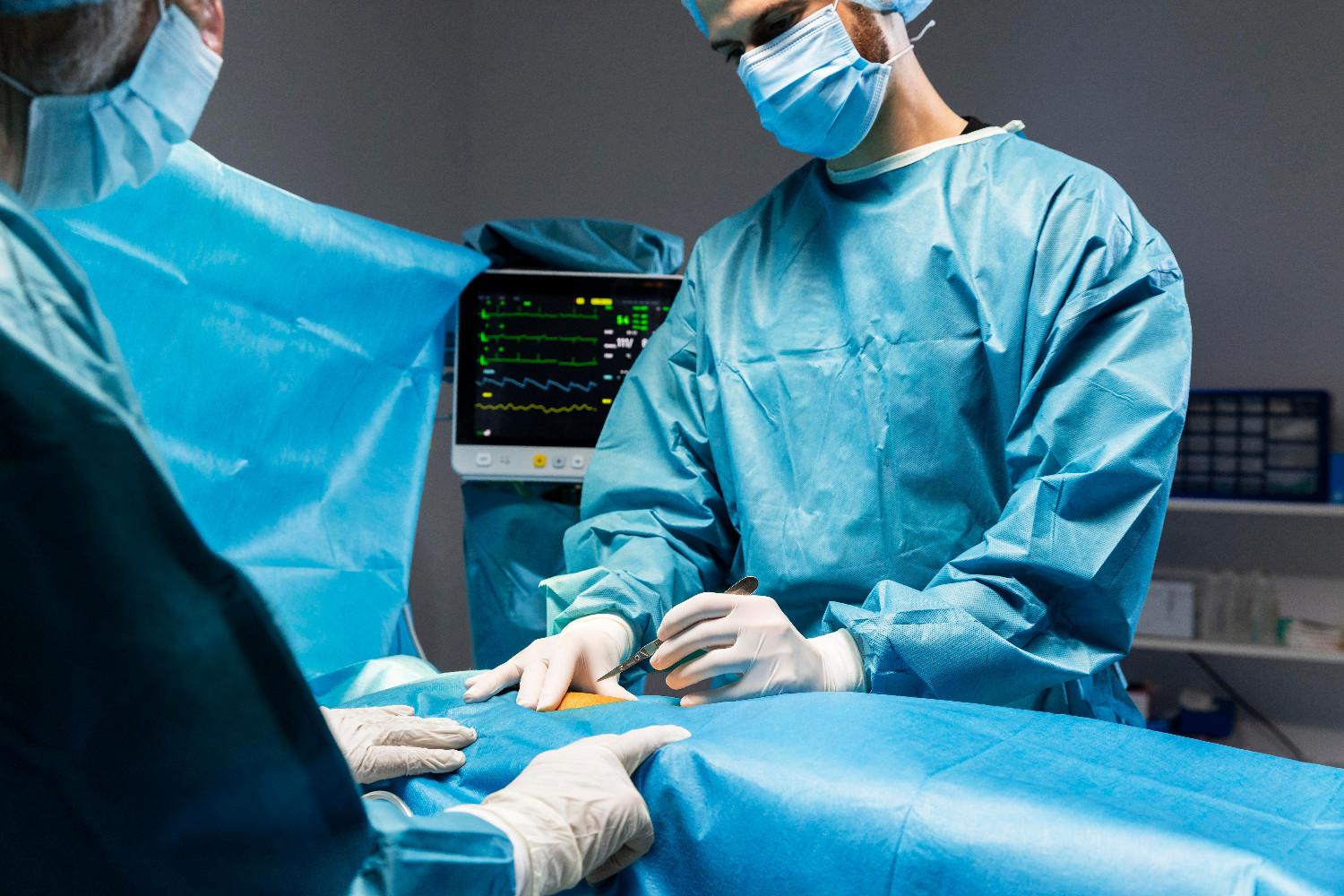
The Department of Vascular Surgery at Olive Hospital, Hyderabad specializes in the diagnosis and management of diseases affecting the arteries, veins, and lymphatic system, excluding the heart and brain.
The team offers comprehensive care using a combination of open surgical and minimally invasive (endovascular) techniques, ensuring optimal outcomes with reduced recovery time.
With advanced imaging, hybrid operation theatres, and multidisciplinary support, the department manages both elective vascular conditions and life-threatening emergencies with precision and safety.
Vascular Surgery is a specialized field focused on treating disorders of the blood vessels, including:
Treatment may involve medical management, minimally invasive procedures (angioplasty, stenting), or open surgery, depending on the severity and condition.

Angioplasty and Stenting
Balloon dilation of narrowed arteries followed by stent placement to restore blood flow and prevent re-narrowing.
Endovenous Laser Treatment (EVLT)
Laser-based closure of varicose veins, offering a minimally invasive alternative with faster recovery and minimal scarring.
Thrombolysis
Catheter-based delivery of clot-dissolving medications to treat acute arterial or venous thrombosis and restore circulation.
Selective blockage of abnormal blood vessels to control bleeding or treat vascular malformations and aneurysms.
Bypass Surgery
Creation of an alternative pathway for blood flow using grafts to bypass blocked or narrowed arteries.
Aneurysm Repair
Surgical correction of dilated blood vessels to prevent rupture, using graft placement or reinforcement techniques.
Carotid Endarterectomy
Removal of plaque from carotid arteries to reduce stroke risk and improve cerebral blood flow.
Varicose Vein Surgery (Open/Hybrid)
Removal or ligation of affected veins in advanced cases not suitable for minimally invasive techniques.
AV Fistula Creation for Dialysis
Surgical connection between artery and vein to provide durable vascular access for hemodialysis.
When should I consult a vascular surgeon?
Consult if you have leg pain while walking, non-healing wounds, visible swollen veins, or symptoms of poor circulation.
Are vascular diseases serious?
Yes, untreated vascular conditions can lead to complications such as stroke, limb loss, or life-threatening bleeding.
What is the difference between vascular surgery and cardiac surgery?
Vascular surgery treats blood vessels outside the heart and brain, while cardiac surgery focuses on heart-related conditions.
Are all vascular procedures surgical?
No. Many conditions are treated using minimally invasive endovascular techniques without major surgery.
Is varicose vein treatment painful?
Modern treatments like EVLT are minimally invasive, with minimal discomfort and quick recovery.
Can vascular diseases be prevented?
Risk can be reduced through lifestyle changes such as smoking cessation, healthy diet, exercise, and managing diabetes or hypertension.
What is recovery time after vascular procedures?
Recovery depends on the procedure. Minimally invasive treatments may require a few days, while open surgeries may take several weeks.