-
-
Olive Hospital: Nanalnagar, ‘X’ Road, Mehdipat...
Hyderabad TS - 500028

Contact Info
-
Address
Olive Hospital: Nanalnagar, ‘X’ Road, Mehdipatnam, Hyderabad.
Appointments: 040 40 499 500.
Olive Sarvodaya Hospital: Adj. to Asif Nagar Police Station, Asif Nagar, Hyderabad TS - 500028
Appointments: 040 67 499 500
Hyderabad TS - 500028 -
Phone
9951108100
-
Email
info@olivehospitals.com
14
Mar
World Kidney Day
Understanding the Importance of Kidney Health Testing
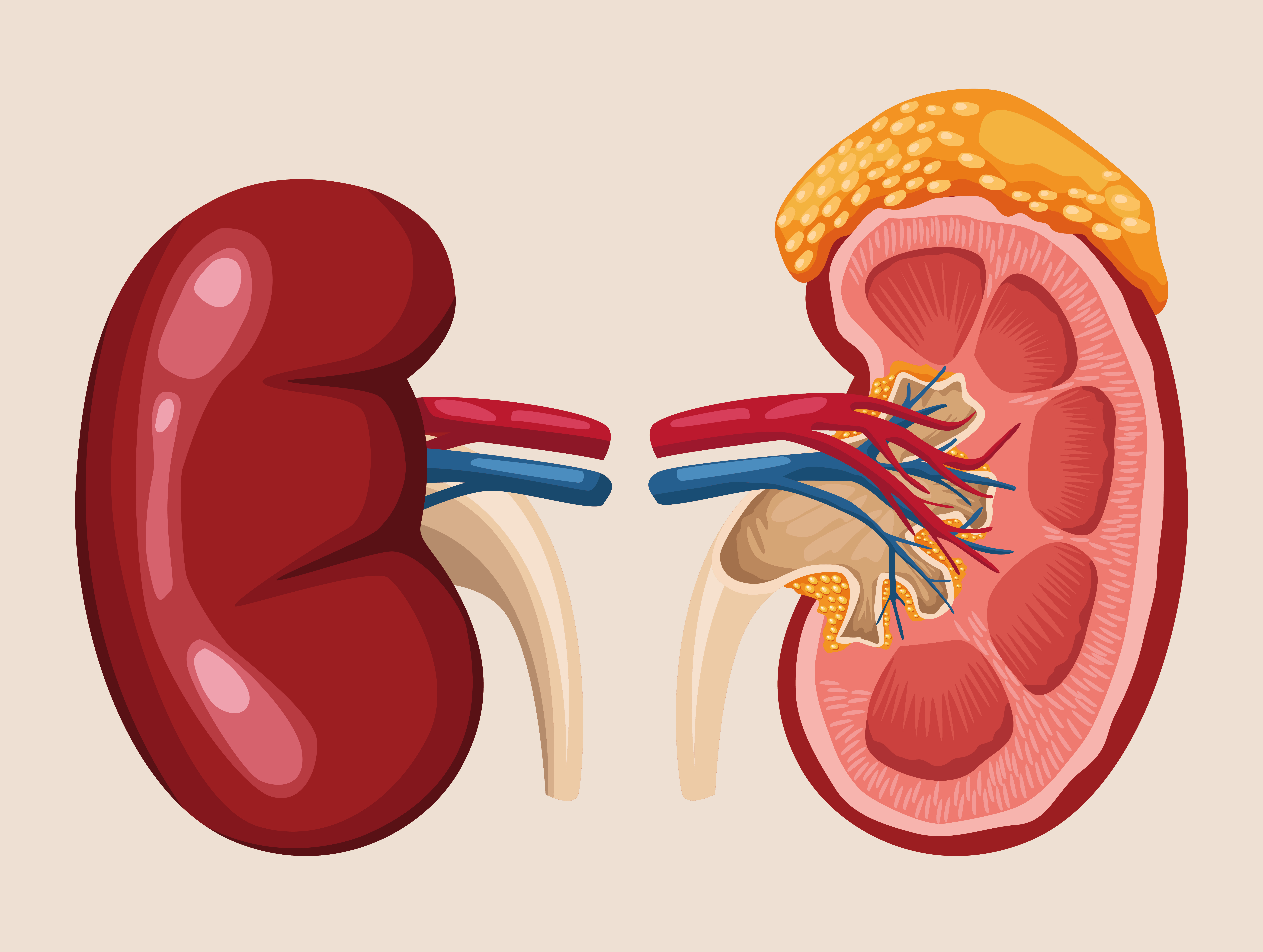
Kidney disease is often called a "silent" condition for a reason. It can develop and progress within the body without any noticeable pain or discomfort, affecting an estimated 8% to 10% of the adult population. Many people walk around with some form of kidney damage and remain completely unaware until serious, often irreversible, complications arise. Each year, millions of lives are lost prematurely due to conditions directly linked to kidney disease, making it one of the most pressing, yet underrecognized, public health issues of our time.
The good news is that early detection can make a monumental difference. Unlike many complex diseases, kidney problems can be identified through simple, routine blood and urine tests. These tests act as an early warning system, allowing for interventions that can slow or even halt the progression of the disease before it becomes severe.
This is the driving force behind World Kidney Day. Observed annually on the second Thursday of March, this global campaign aims to pull back the curtain on kidney health and educate the public on the critical need for routine testing. As we approach World Kidney Day 2026, the focus is sharper than ever on early detection, urging people from all walks of life to get tested before symptoms ever have a chance to appear. This blog explores the profound significance of World Kidney Day, the theme for 2026, and why making kidney health testing a regular part of your healthcare routine is essential for a long and healthy life.
The History and Global Significance of World Kidney Day
World Kidney Day was first observed in 2006 as a joint initiative by the International Society of Nephrology (ISN) and the International Federation of Kidney Foundations (IFKF). The founding vision was ambitious yet simple: to create a global platform to raise awareness about the importance of our kidneys and to reduce the growing burden of kidney disease worldwide. Since its inception, it has been observed every year on the second Thursday of March, uniting patients, healthcare professionals, and organizations in a common cause.
The significance of this day cannot be overstated. It serves as a vital reminder that kidney disease is not a niche health concern but a global epidemic. With millions affected and the majority of cases going undiagnosed until late stages, the initiative focuses on three core pillars: educating the public on preventive measures, encouraging regular testing as a standard practice, and advocating for better healthcare policies that make kidney care accessible to all. Each year, a specific theme guides the campaign, ensuring that key aspects of kidney health-from early detection to transplantation and the link with other non-communicable diseases-receive focused global attention.
World Kidney Day 2026 Theme: “Kidney Health for All: Caring for People, Protecting the Planet”
World Kidney Day 2026 will be observed on 12 March 2026, continuing the vital mission to raise awareness. This year’s theme, “Kidney Health for All - Caring for People, Protecting the Planet,” expands the conversation in a crucial new direction. While it firmly emphasizes the need for equitable access to kidney care for every individual, it also looks outward, urging us to consider the profound impact of environmental and planetary health on the prevalence and outcomes of kidney disease.
The campaign reinforces the stark reality that kidney disease is a major and escalating worldwide health challenge, currently affecting about 1 in 10 people globally. Chronic kidney disease (CKD) often develops silently, without symptoms in its early stages, yet it is a gateway to serious health consequences, including life-threatening cardiovascular complications and complete kidney failure, which requires dialysis or a transplant. The 2026 theme serves as a powerful reminder that protecting our planet-through reducing pollution, ensuring access to clean water, and combating climate change-is intrinsically linked to protecting our own health and the health of our kidneys.
Who Should Get Their Kidneys Tested?
Because kidney disease is silent in its early stages, waiting for symptoms is a dangerous gamble. Testing is not just for those who feel unwell; it is a critical preventive measure for those at higher risk. You should prioritize getting your kidneys tested if you fall into any of the following categories:
- People with diabetes or high blood pressure: These are the two leading causes of kidney disease. Chronically high blood sugar damages the kidneys' delicate filtering units, while uncontrolled high blood pressure puts immense strain on the blood vessels throughout the kidneys. Routine screening is essential to detect this damage early.
- Individuals with a family history of kidney disease: Genetics can play a significant role. If you have a parent, sibling, or child with kidney disease, you are at a higher risk and should undergo regular check-ups.
- People with heart disease or a history of stroke: The heart and kidneys are deeply interconnected. Poor heart function reduces blood flow to the kidneys, and damaged kidneys can, in turn, increase the risk of heart problems. This bidirectional relationship makes monitoring essential for anyone with cardiovascular issues.
- Those over 60 years old: Kidney function naturally declines with age. This makes older adults more vulnerable to kidney-related complications from other health issues or medications. Routine testing is key to managing this natural decline and catching any pathological problems early.
- Individuals who are overweight or obese: Excess weight is a major risk factor for developing type 2 diabetes and high blood pressure, which, as mentioned, are the primary drivers of kidney disease. Metabolic syndrome, often linked to obesity, can directly affect kidney function.
- People with recurrent kidney infections or kidney stones: Frequent infections or blockages can cause scarring and long-term damage, leading to a progressive decline in kidney function over time.
- Individuals taking long-term medications that affect the kidneys: Certain over-the-counter painkillers (NSAIDs like ibuprofen and naproxen), some antibiotics, and medications used for chronic conditions can strain the kidneys when used for prolonged periods. If you are on a long-term medication, discuss kidney monitoring with your doctor.
Even if you don't have any of these risk factors, making occasional kidney function tests a part of your regular preventive health check-up is a wise practice for long-term well-being.
Which Tests Help Assess Kidney Health?
Assessing kidney health is straightforward. A combination of simple blood and urine tests provides a comprehensive picture of how well your kidneys are working. These tests act as your kidneys' "report card," helping to detect problems even before you notice any changes.
Blood Tests
- Serum Creatinine: This test measures the level of creatinine, a waste product from normal muscle activity. Healthy kidneys filter creatinine out of the blood. A high level suggests the kidneys are not filtering effectively.
- Estimated Glomerular Filtration Rate (eGFR): This is a calculation based on your serum creatinine level, age, body size, and gender. It provides a percentage of kidney function. An eGFR below 60 mL/min/1.73 m⊃2; for three months or more is a key indicator of chronic kidney disease.
- Blood Urea Nitrogen (BUN): Urea is another waste product from protein breakdown. If the kidneys are not filtering efficiently, BUN levels can rise.
Urine Tests
- Albumin-to-Creatinine Ratio (ACR): This test looks for a protein called albumin in your urine. Healthy kidneys keep protein in the body. Finding albumin in the urine (proteinuria) is often one of the earliest signs of kidney damage, especially in people with diabetes.
- Urinalysis: A general examination of your urine can detect abnormalities such as the presence of blood, excess protein, pus, or sugar. It can also identify signs of infection.
Imaging and Specialized Tests
- Kidney Ultrasound: This non-invasive test uses sound waves to create an image of your kidneys. It helps doctors see the size, shape, and structure of your kidneys and check for abnormalities like cysts, tumors, stones, or blockages.
- Kidney Biopsy: In certain situations, a doctor may need to take a small sample of kidney tissue to examine under a microscope. This is usually done to diagnose the specific cause of kidney disease or assess the extent of damage.
- Electrolyte Panel: This blood test checks the levels of essential minerals like sodium and potassium, which the kidneys help to regulate. Imbalances can signal kidney problems.
Regular testing with these tools is the most effective strategy for protecting your health, particularly if you are in a higher-risk group.
What Can Be Done to Maintain Kidney Health?
Maintaining kidney health is largely about adopting a lifestyle that supports your entire body. The kidneys are resilient, but they thrive on consistent, healthy habits. Here are key steps you can take to protect your kidney function for years to come:
- Stay Hydrated: Water is the kidneys' best friend. It helps them flush out toxins and waste products efficiently. Dehydration forces the kidneys to work harder and can increase the risk of painful kidney stones. Aim for 6-8 glasses of water a day, adjusting for climate, exercise, and individual health needs.
- Follow a Balanced Diet: A diet rich in fruits, vegetables, whole grains, and lean proteins supports kidney health. A key focus should be on reducing salt intake, as high sodium levels are a direct contributor to high blood pressure. Limiting processed foods, sugary drinks, and unhealthy fats also reduces the strain on your kidneys.
- Monitor Blood Pressure and Blood Sugar: Since high blood pressure and diabetes are the top causes of kidney disease, managing them is paramount. Work with your healthcare provider to keep your blood pressure within a healthy range (typically below 120/80) and your blood sugar levels stable through diet, exercise, and medication.
- Exercise Regularly: Physical activity helps maintain a healthy weight, lowers blood pressure, and improves heart health-all of which directly benefit kidney function. You don't need to run a marathon; moderate exercise like brisk walking, swimming, or cycling for 30 minutes most days of the week makes a huge difference.
- Avoid Smoking and Limit Alcohol: Smoking damages blood vessels, which reduces blood flow to the kidneys and accelerates kidney disease. Excessive alcohol intake can raise blood pressure and is hard on the liver and kidneys. Quitting smoking and drinking in moderation are powerful ways to protect your renal health.
- Be Cautious with Medications: The frequent or long-term use of over-the-counter non-steroidal anti-inflammatory drugs (NSAIDs) can harm the kidneys. Always consult a doctor before starting any new long-term medication or supplement, especially if you have existing kidney concerns.
- Get Regular Screenings: This is the cornerstone of prevention. For those with risk factors, an annual check-up that includes blood and urine tests is not just a good idea-it's essential. Early detection is the single most effective way to prevent serious complications.
How Can You Help Spread Awareness?
You don't have to be a doctor to make a difference. Raising awareness about kidney health is a community effort, and your voice can encourage someone to get a test that saves their life. Here are simple, effective ways you can help:
- Encourage Testing: Have a conversation with family and friends. If they have diabetes, high blood pressure, or a family history of kidney issues, gently remind them to ask their doctor for a kidney health check-up during their next visit.
- Share Reliable Information: Use your social media platforms to share accurate facts about kidney disease. In the weeks leading up to March 12th, post about World Kidney Day, the 2026 theme, and the importance of simple tests. You could be the one to inform a friend who had no idea they were at risk.
- Promote Healthy Habits: Be a role model. Share your own journey with healthy eating, exercise, or quitting a bad habit. Encouraging small, positive lifestyle changes in your community can have a ripple effect on everyone's health, including their kidneys.
- Support At-Risk Individuals: If you know someone struggling to manage their diabetes or blood pressure, offer your support. Help them research information or encourage them to keep their medical appointments. Sometimes, a little support is all it takes.
Protect Your Kidneys with Routine Check-Ups
World Kidney Day on March 12th is a powerful reminder that our kidneys, often working silently in the background, deserve our proactive attention. For those at risk, timely medical guidance and routine testing are not just recommendations-they are the best defense against preventable complications. At Olive Hospital, we are committed to supporting your health journey. We offer comprehensive kidney health screenings and specialized care to help detect and manage kidney conditions at every stage. We encourage you to take this important step today. Schedule a kidney health check-up at Olive Hospital and prioritize your long-term well-being. Your kidneys will thank you.
FAQs – World Kidney Day 2026
Why is World Kidney Day important?
World Kidney Day is a global initiative to raise awareness about the growing burden of kidney disease. Because kidney problems often develop without early symptoms, the day emphasizes the critical need for routine testing, early diagnosis, and preventive care. The 2026 campaign further highlights the importance of equitable access to kidney care and the link between environmental health and kidney outcomes.
When is World Kidney Day observed in 2026?
World Kidney Day 2026 will be observed on 12 March 2026, the second Thursday of March.
Who is at higher risk of developing kidney disease?
People with diabetes, high blood pressure, heart disease, obesity, or a family history of kidney disease are at increased risk. Adults over 60 and those on long-term medications that may affect kidney function should also consider routine testing.
Can kidney disease develop without symptoms?
Yes. Chronic kidney disease (CKD) is often called a "silent" disease because it progresses in its early stages without noticeable symptoms. This is why routine blood and urine tests are so crucial for early detection.
What are the early signs of kidney disease?
Early kidney disease often has no clear symptoms. However, as it progresses, some people may notice fatigue, swelling in the feet or ankles (edema), changes in urination frequency or appearance, persistent puffiness around the eyes, or unexplained nausea. Because these symptoms can be subtle, laboratory testing remains the most reliable way to detect problems early.
How is kidney disease diagnosed?
Kidney disease is diagnosed primarily through blood and urine tests. A serum creatinine test (used to calculate eGFR) assesses how well the kidneys filter waste. A urine albumin-to-creatinine ratio (ACR) checks for protein leakage, which can be an early sign of damage. Imaging tests like ultrasound may be used if structural issues are suspected.
Can kidney disease be prevented?
While not all forms of kidney disease are preventable, the risk can be significantly reduced by managing blood pressure and blood sugar, maintaining a healthy weight, not smoking, limiting the use of over-the-counter painkillers, and undergoing regular health check-ups. Early detection through routine testing remains the most effective strategy for preventing serious complications.