-
-
Olive Hospital: Nanalnagar, ‘X’ Road, Mehdipat...
Hyderabad TS - 500028

Contact Info
-
Address
Olive Hospital: Nanalnagar, ‘X’ Road, Mehdipatnam, Hyderabad.
Appointments: 040 40 499 500.
Olive Sarvodaya Hospital: Adj. to Asif Nagar Police Station, Asif Nagar, Hyderabad TS - 500028
Appointments: 040 67 499 500
Hyderabad TS - 500028 -
Phone
9951108100
-
Email
info@olivehospitals.com
26
Feb
Normal Delivery
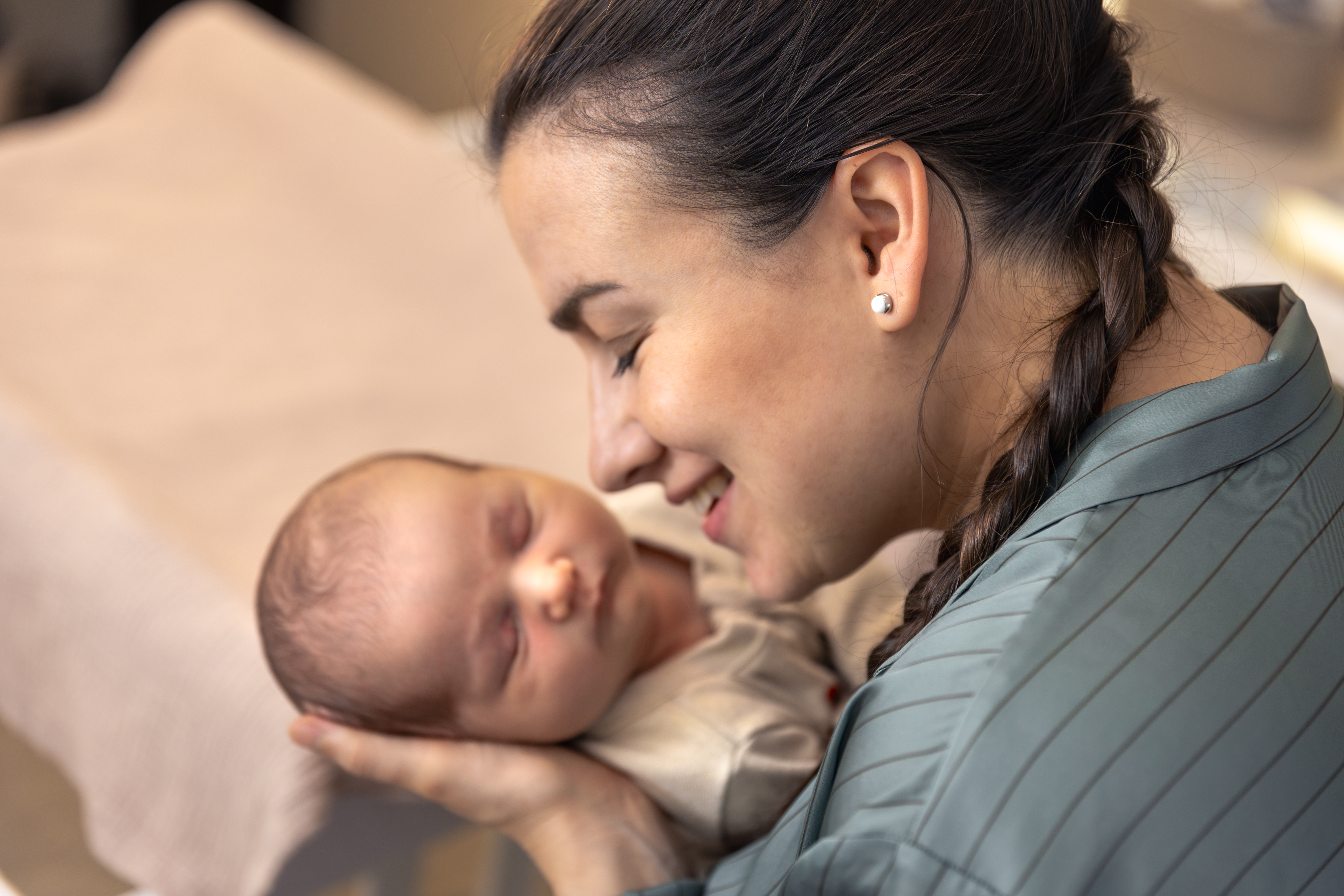
How to Increase Your Chances of a Normal Delivery
Bringing a new life into the world is one of the most transformative experiences a woman can have. For many expectant mothers, the hope is to experience a normal vaginal delivery-not only because it is the body’s natural design, but also because it offers significant benefits for both mother and baby.
Yet, in recent years, the rate of cesarean sections has risen sharply-not just in India, but across the world. While C-sections are life-saving in many situations, the question many women are asking is:
If I am healthy and my pregnancy is uncomplicated, what can I do to increase my chances of a normal delivery?
This guide is designed to answer that question-with clarity, empathy, and evidence-based advice.
What Is a Normal Delivery?
A normal delivery, also referred to as a vaginal birth, is one where the baby is born through the birth canal without the use of surgical instruments like forceps or vacuum extraction. It is the most common and physiologically natural method of childbirth.
Labour typically begins with rhythmic uterine contractions, which gradually dilate the cervix. The baby moves down the birth canal, and with each contraction and maternal effort, descends further until delivery.
On average, this process takes about 10 hours, though it can vary widely from woman to woman.
Types of Childbirth: An Overview
Every pregnancy is unique, and so is every birth. Depending on medical necessity and individual circumstances, your obstetrician will recommend the safest method for you and your baby.
- Vaginal Delivery
The baby is born through the vagina. This is the preferred method when no complications exist. - Cesarean Section (C-section)
A surgical procedure where an incision is made in the abdomen and uterus to deliver the baby. It is performed when vaginal delivery poses a risk to the mother or baby. - Forceps Delivery
An assisted vaginal delivery where forceps are used to gently guide the baby’s head out of the birth canal. - Vacuum Extraction
A suction cup is placed on the baby’s head to help guide the baby out during contractions. - Vaginal Birth After Cesarean (VBAC)
Women who have had a previous C-section may, under suitable conditions, attempt a vaginal delivery in a subsequent pregnancy.
When Is Normal Delivery Recommended?
Normal delivery is recommended when:
- The pregnancy is low-risk and uncomplicated
- The mother is healthy, with no significant medical conditions
- The baby is in a head-down (cephalic) position
- Labour progresses naturally without signs of fetal distress
Your obstetrician will assess multiple factors-including your health, the baby’s position, and your labour progression-before recommending the most appropriate mode of delivery.
The Three Stages of Normal Delivery
Stage 1: Dilation of the Cervix
This is the longest stage. Contractions begin and gradually become stronger, more frequent, and longer. The cervix softens and opens from 0 to 10 centimetres.
- Early labour: Cervix dilates up to 4 cm. Contractions are mild to moderate.
- Active labour: Cervix dilates from 4 to 7 cm. Contractions become stronger and more regular.
- Transition: Cervix dilates from 8 to 10 cm. Contractions are intense and frequent.
Stage 2: Birth of the Baby
With the cervix fully dilated, the mother pushes with each contraction to help the baby move through the birth canal. This stage ends with the birth of your child.
Stage 3: Delivery of the Placenta
After the baby is born, the placenta is expelled from the uterus. This usually occurs within 5 to 30 minutes.
Benefits of Normal Delivery
For mother:
- No surgical incision, so no scar on the uterus
- Lower risk of infection and blood loss
- Faster recovery and shorter hospital stay
- Earlier initiation of breastfeeding
- Easier mobility immediately after delivery
For baby:
- Exposure to beneficial vaginal bacteria, which supports immune system development
- Better respiratory adaptation at birth
- Lower risk of neonatal respiratory complications
Normal Delivery vs. C-Section: A Balanced View
|
Aspect |
Normal Delivery |
C-Section |
|
Procedure |
Natural, non-surgical |
Major abdominal surgery |
|
Recovery time |
Shorter (days to weeks) |
Longer (weeks to months) |
|
Hospital stay |
24-48 hours |
3-5 days or more |
|
Pain |
During labour; managed with epidural/natural techniques |
Post-surgical pain |
|
Risks |
Vaginal tears, perineal discomfort |
Infection, blood loss, anaesthesia risks, scarring |
|
Future pregnancies |
Lower risk of complications |
Increased risk of placenta accreta, uterine rupture |
Important: A C-section is not a "failed" delivery. It is a medically necessary procedure that saves lives when complications arise. The goal is always a healthy mother and a healthy baby-however that is achieved.
What Are the Complications of a C-Section?
While C-sections are safe and often life-saving, they are major surgeries and carry certain risks:
- Increased blood loss (almost double that of vaginal delivery)
- Risk of infection at the incision site or within the uterus
- Adverse reactions to anaesthesia
- Longer recovery time and postpartum weakness
- Higher chance of blood clots (deep vein thrombosis)
- Risks in future pregnancies, including uterine rupture, placental abnormalities, and ectopic pregnancy in the scar
This is not to discourage necessary C-sections, but to emphasise that vaginal delivery, when safely achievable, offers distinct advantages.
Is the Rise in C-Sections Linked to Lifestyle?
Globally, the rise in C-section rates has been linked, in part, to changing lifestyle patterns.
- Excessive weight gain during pregnancy: The recommended weight gain is 9–11 kg, yet many women gain 14-20 kg.
- Reduced physical activity: Sedentary routines, desk jobs, and minimal manual work have become the norm.
- Lower pain tolerance: Many women, particularly first-time mothers, are apprehensive about labour pain.
- Convenience scheduling: In some cases, C-sections are planned for non-medical reasons.
While these factors contribute, they are not the whole story. Institutional practices, maternal age, and increased rates of conditions like gestational diabetes and hypertension also play a role.
How to Increase Your Chances of a Normal Delivery
If you have a low-risk pregnancy and wish to maximise your chances of a vaginal birth, here are evidence-based strategies that can help.
1. Maintain a Balanced, Nutrient-Rich Diet
Labour requires immense physical endurance. A well-nourished body is better equipped to handle it.
- Include fresh fruits, vegetables, whole grains, and lean proteins
- Stay hydrated
- Avoid excessive weight gain by following your obstetrician’s dietary guidelines
2. Stay Physically Active
Multiple studies have shown that women who engage in regular, moderate exercise during pregnancy have higher rates of vaginal delivery and lower rates of C-section.
What is safe?
- Brisk walking
- Swimming
- Stationary cycling
- Modified prenatal yoga
How much?
At least 150 minutes per week of moderate-intensity aerobic activity-spread across most days-is recommended for healthy pregnant women.
Important: Always consult your obstetrician before starting or continuing an exercise routine during pregnancy.
3. Attend Childbirth Education Classes
Knowing what to expect reduces fear. Childbirth classes taught by certified professionals help you:
- Understand the stages of labour
- Learn breathing and relaxation techniques
- Build confidence in your body’s ability to give birth
4. Consider Trained Labour Support
Continuous support during labour-from a doula, midwife, or trained birth companion-has been shown to:
- Shorten labour
- Reduce the need for pain relief
- Lower the rate of C-sections
5. Avoid Unnecessary Induction
Induction of labour should ideally be performed for clear medical reasons. If your pregnancy is progressing normally and both you and your baby are healthy, allowing labour to begin spontaneously increases the likelihood of a vaginal delivery.
6. Go to the Hospital in Active Labour
Early labour can often be managed at home. Arriving at the hospital during active labour (cervix dilated to 4-5 cm) may reduce unnecessary medical interventions.
7. Perineal Massage
Gentle perineal massage in the final weeks of pregnancy can help relax the tissues around the vaginal opening, potentially reducing the need for episiotomy or severe tearing.
8. Create a Positive, Calm Environment
Stress and fear can slow labour. Practices such as:
- Deep breathing
- Meditation
- Listening to calming music
- Affirmations and positive visualization
…can help your body release oxytocin, the hormone that drives labour.
The Role of Exercise: What the Evidence Says
A common misconception is that exercise during pregnancy increases the risk of preterm labour. This is not true for healthy women with uncomplicated pregnancies.
A large Danish study found that women who engaged in leisure-time physical activity before and during pregnancy had a lower risk of emergency C-section.
Another study confirmed that aerobic exercise for 35–90 minutes, 3-4 times per week is safe for normal-weight women with singleton, uncomplicated pregnancies and is associated with:
- Higher rates of vaginal delivery
- Lower rates of C-section
- Reduced risk of gestational diabetes
- Better psychological well-being
Start slowly. If you are not accustomed to exercise, begin with 5 minutes of walking daily and gradually increase to 30 minutes.
Stay hydrated. Drink water before and after exercise.
Listen to your body. Avoid jerky movements or activities that leave you breathless.
What If a C-Section Is Needed?
It is equally important to say this: A C-section is not a failure.
Some women, despite doing everything "right," require a cesarean delivery due to factors beyond their control-fetal position, placental issues, cord complications, or labour dystocia. This is not a reflection of your strength, your effort, or your body.
The goal is not a "perfect" birth. The goal is a safe birth-for you and your baby.
Conclusion
Normal delivery remains the safest and most physiologically advantageous method of childbirth for most low-risk pregnancies. While not every woman can or should deliver vaginally, those who wish to increase their chances can take proactive, healthy steps throughout their pregnancy.
At Olive Hospital, Hyderabad, we believe in empowering women with knowledge, respecting their birth preferences, and supporting them through every stage of pregnancy and delivery-whether that ends in a vaginal birth or a medically indicated C-section.
If you are planning your pregnancy or are already expecting, speak to your obstetrician about what you can do to prepare your body and mind for labour. Every step you take toward a healthier pregnancy brings you closer to a safer, more confident delivery.
Frequently Asked Questions
- Can I have a normal delivery if I had a C-section before?
A. Yes, many women are candidates for Vaginal Birth After Cesarean (VBAC). Your doctor will evaluate your previous incision type, pregnancy health, and other factors to determine if VBAC is safe for you. - Does walking really help in normal delivery?
A. Yes. Walking during pregnancy helps maintain fitness, improves circulation, and keeps the pelvic muscles active-all of which support labour. - Is it safe to exercise in the third trimester?
A. For most women with uncomplicated pregnancies, moderate exercise is safe until delivery. Always consult your doctor before continuing or modifying your routine. - Can stress affect my chances of normal delivery?
A. Yes. High stress levels can increase muscle tension and stress hormones, which may slow labour. Relaxation techniques and emotional support are valuable tools. - What should I eat in the final weeks of pregnancy?
A. Focus on easily digestible, energy-rich foods-fruits, light proteins, whole grains, and plenty of fluids. Avoid heavy, greasy meals. - How do I know if I am in active labour?
A. Active labour is marked by regular, strong contractions (every 3-4 minutes) that last about 60 seconds, along with progressive cervical dilation. Your hospital will guide you on when to come in.