-
-
Olive Hospital: Nanalnagar, ‘X’ Road, Mehdipat...
Hyderabad TS - 500028

Contact Info
-
Address
Olive Hospital: Nanalnagar, ‘X’ Road, Mehdipatnam, Hyderabad.
Appointments: 040 40 499 500.
Olive Sarvodaya Hospital: Adj. to Asif Nagar Police Station, Asif Nagar, Hyderabad TS - 500028
Appointments: 040 67 499 500
Hyderabad TS - 500028 -
Phone
9951108100
-
Email
info@olivehospitals.com
23
Feb
Signs of Blood Cancer
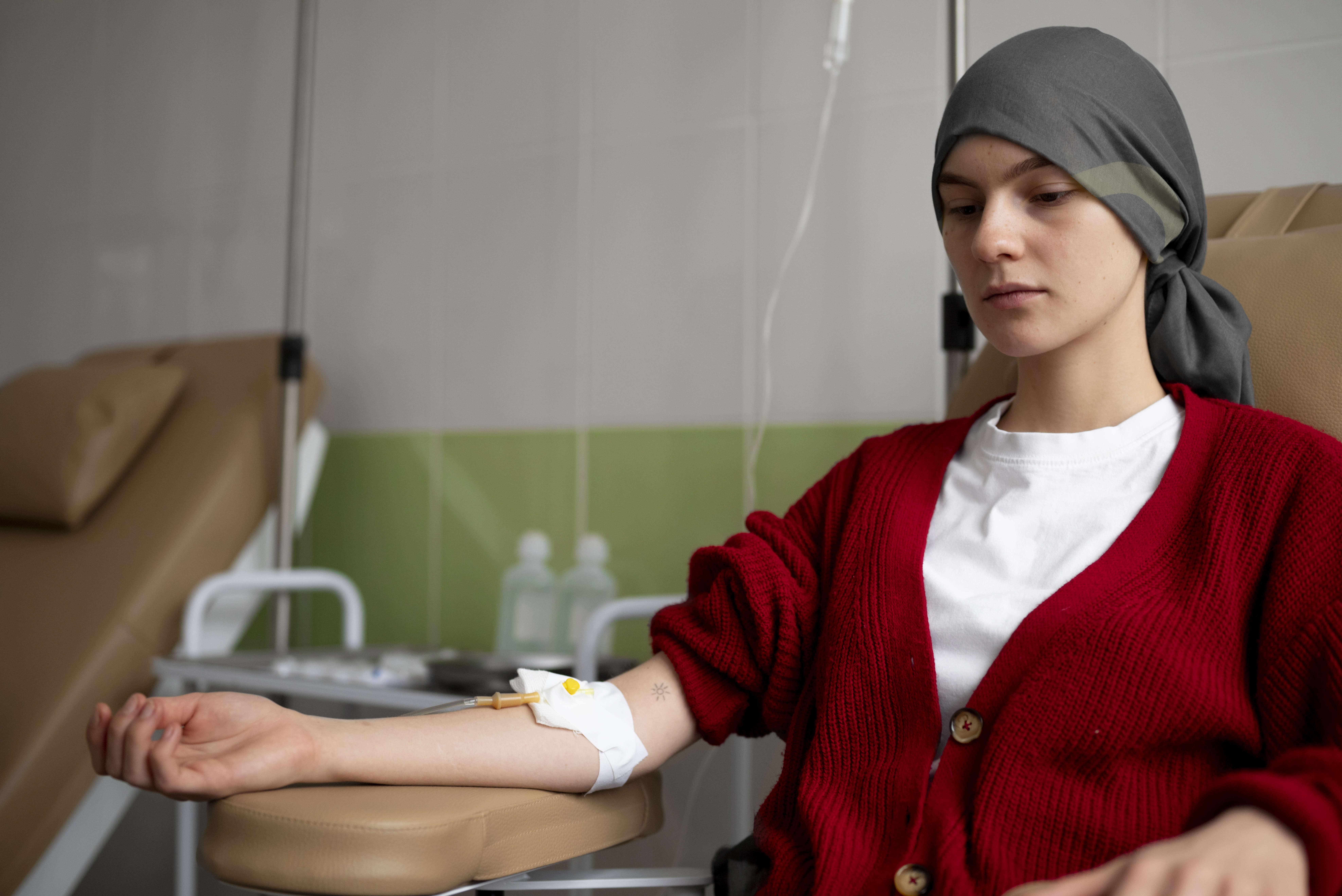
Early Signs of Blood Cancer: Subtle Symptoms That Need Your Attention
Sometimes, the body whispers before it speaks.
Fatigue that refuses to fade. Bruises that appear without explanation. Fevers that come and go without a reason. These moments are easy to dismiss-blamed on stress, a busy lifestyle, or simply "getting older." But occasionally, these whispers are early signals from the body, asking to be heard.
Blood cancer often begins this way. Not with sudden, dramatic symptoms, but with quiet changes that linger. Recognising these early signs is not about being fearful-it is about being aware. And awareness saves lives.
What Is Blood Cancer and Why Is It Often Overlooked?
Blood cancer affects the production and function of blood cells. It originates in the bone marrow or lymphatic system, disrupting the body’s ability to fight infection, carry oxygen, and control bleeding.
The three main types are:
- Leukaemia: Affects white blood cells and bone marrow
- Lymphoma: Begins in the lymphatic system
- Multiple Myeloma: Develops in plasma cells
Unlike solid tumours, blood cancers circulate throughout the body. Symptoms develop gradually and often mimic common, less serious conditions. This is why many cases are detected later, when the disease is more advanced.
Early Signs That Deserve Your Attention
1. Persistent Fatigue That Rest Doesn’t Fix
We all feel tired. But exhaustion that does not improve with sleep-especially when accompanied by weakness, dizziness, or shortness of breath-may indicate anaemia caused by a drop in healthy red blood cells.
If your body feels consistently drained despite adequate rest, it is worth investigating.
2. Unexplained Weight Loss
Losing more than 5 kilograms without changes to diet or exercise is not a welcome surprise-it is a medical signal.
In blood cancer, the body expends significant energy fighting abnormal cells, leading to rapid, unintentional weight loss.
3. Frequent or Severe Infections
If you find yourself catching every cold that comes around, or if infections take longer than usual to resolve, your immune system may be compromised.
In leukaemia, the body produces abnormal white blood cells that do not fight infection effectively. Recurrent fevers, mouth ulcers, or slow-healing wounds should not be ignored.
4. Easy Bruising and Unexplained Bleeding
A drop in platelet count affects the blood’s ability to clot. This may present as:
- Bruises without known injury
- Frequent nosebleeds or bleeding gums
- Tiny red or purple spots on the skin (petechiae)
- Prolonged bleeding from minor cuts
5. Night Sweats and Persistent Fever
Waking up drenched in sweat, despite a cool room and no physical exertion, is a recognised early sign of lymphoma.
This is often accompanied by low-grade fevers that recur, particularly in the evening. These symptoms reflect internal inflammation as the body responds to abnormal cell activity.
6. Swollen Lymph Nodes
Lymph nodes are your body’s infection filters. Painless swelling in the neck, armpits, or groin that persists beyond two weeks warrants evaluation.
While lymph nodes often enlarge during minor infections, persistent firmness without tenderness should be examined.
7. Bone or Joint Pain
Deep, persistent pain in the back, ribs, or legs-without a history of injury-can indicate overcrowding in the bone marrow caused by abnormal cancer cells.
This symptom is particularly associated with leukaemia and multiple myeloma.
8. Skin Changes and Paleness
A noticeably pale complexion may signal anaemia. Some patients also develop persistent itching, unexplained rashes, or small red spots that do not fade.
These changes reflect reduced oxygen circulation and compromised immune function.
Why These Symptoms Occur Together
Blood cancer disrupts the bone marrow’s ability to produce healthy cells. This leads to a cascade of effects:
- Low red blood cells: Fatigue, weakness, pale skin
- Abnormal white blood cells: Frequent infections, fevers
- Low platelets: Bruising, bleeding
- Cancer cell accumulation: Bone pain, inflammation, night sweats
Understanding this connection helps explain why multiple symptoms often appear simultaneously.
Why Early Diagnosis Changes Everything
Blood cancer is treatable-especially when caught early. Advances in chemotherapy, immunotherapy, targeted therapy, and stem cell transplantation have transformed outcomes.
Early detection often means:
- More treatment options
- Less intensive therapy
- Higher chances of remission
- Better quality of life during and after treatment
Yet, many patients delay seeking help because they mistake early signs for stress, ageing, or minor illness.
When to See a Doctor
You are not overreacting. You are being vigilant.
Schedule a medical evaluation if you experience:
- Unexplained fatigue lasting more than two weeks
- Unintentional weight loss
- Persistent fevers or drenching night sweats
- Unusual bruising, bleeding, or swollen lymph nodes
- Bone pain without injury
A simple Complete Blood Count (CBC) can reveal abnormalities in red cells, white cells, or platelets. If indicated, your doctor may recommend a bone marrow biopsy or imaging studies for confirmation.
How to Stay Vigilant
- Listen to your body. Symptoms that persist or worsen deserve attention.
- Do not self-diagnose. Looking up symptoms online often leads to unnecessary worry or false reassurance.
- Know your family history. While most blood cancers are not inherited, certain genetic patterns may increase risk.
- Prioritise regular check-ups. Routine health visits can catch abnormalities before symptoms appear.
Living with Awareness
Blood cancer does not discriminate by age or lifestyle. It can affect anyone, at any time. The goal is not to live in fear, but to live with awareness.
When you recognise the whispers, you act early. And early action is the single most powerful tool we have.
Conclusion
The early signs of blood cancer are subtle, but they are not silent. Fatigue, bruising, recurring infections, or swollen glands may seem minor in isolation. But when they persist, overlap, or worsen, they tell a story worth listening to.
If you or someone you know has been experiencing these symptoms, do not wait. Speak to a specialist. A blood test, a conversation, and timely action can change the course of the illness.
Awareness does not just prepare you-it protects you.
Frequently Asked Questions
Can blood cancer be detected through a regular blood test?
Yes. A Complete Blood Count (CBC) can reveal abnormalities in blood cell levels. If findings are suggestive, further tests such as a bone marrow biopsy or imaging may be needed for confirmation.
What are the main types of blood cancer?
The three primary types are leukaemia (affecting bone marrow and white blood cells), lymphoma (affecting the lymphatic system), and multiple myeloma (affecting plasma cells).
Is blood cancer hereditary?
Most blood cancers are not directly inherited. However, a family history of certain blood disorders may slightly increase risk. Genetic counselling can help individuals understand their personal risk profile.
Can lifestyle changes support blood cancer treatment?
Yes. A nutrient-rich diet, adequate rest, gentle physical activity (as advised), and good hygiene practices help support immune function during and after treatment.
What should I do if I notice symptoms in myself or a family member?
Do not panic, but do not delay. Schedule an appointment with a haematologist or oncologist for a thorough evaluation. Early investigation brings clarity, and clarity brings peace of mind.