-
-
Olive Hospital: Nanalnagar, ‘X’ Road, Mehdipat...
Hyderabad TS - 500028

Contact Info
-
Address
Olive Hospital: Nanalnagar, ‘X’ Road, Mehdipatnam, Hyderabad.
Appointments: 040 40 499 500.
Olive Sarvodaya Hospital: Adj. to Asif Nagar Police Station, Asif Nagar, Hyderabad TS - 500028
Appointments: 040 67 499 500
Hyderabad TS - 500028 -
Phone
9951108100
-
Email
info@olivehospitals.com
21
Jan
Winter Digestive Woes
Why GI Issues Spike & How Advanced Surgical Solutions at Olive Hospital Offer Relief
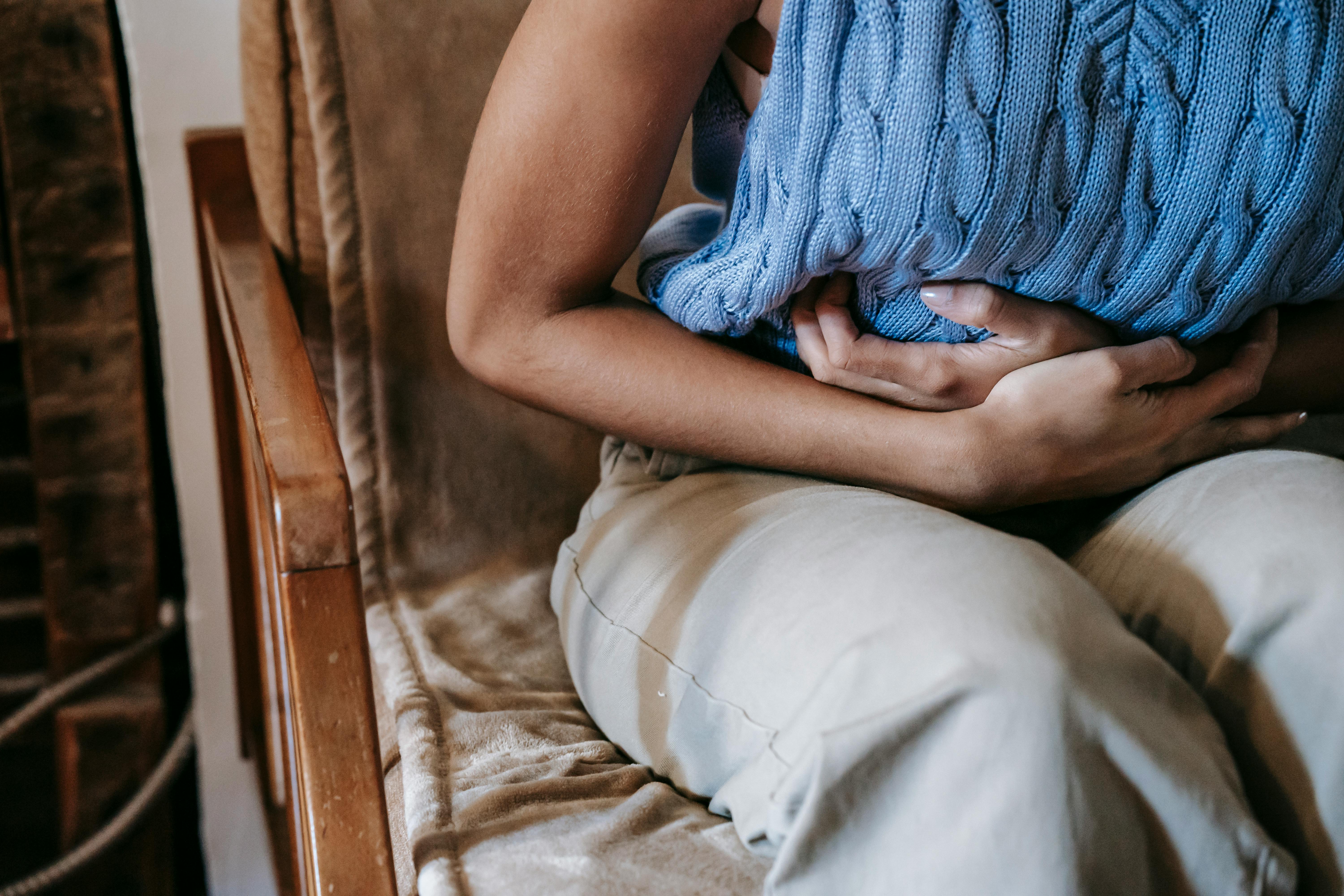
As the cool breeze sweeps through Hyderabad, heralding the winter season, our bodies undergo subtle changes that extend beyond just needing a warmer jacket. At Olive Hospital, our Department of Gastroenterology and Minimal Access Surgery notes a significant, predictable increase in patients complaining of abdominal pain, severe acidity, and digestive distress during these months. This seasonal surge isn't a coincidence-it's a confluence of physiological and lifestyle factors. More importantly, with today's advanced surgical options, suffering through these conditions is no longer necessary. This blog explores the "why" behind winter's GI challenges and highlights how Advanced Minimal Access Surgery at Olive Hospital, Hyderabad, provides a path to faster, safer, and more comfortable recovery.
Understanding the Winter Gut: A Perfect Storm for GI Problems
Winter creates a unique set of conditions that disrupts our digestive harmony:
Dietary Shifts: We naturally gravitate towards rich, oily, spicy, and calorie-dense "comfort foods"-think hearty curries, fried snacks, and festive sweets common in Hyderabadi winter cuisine. This places a heavy burden on the digestive system, increasing acid production and slowing digestion.
Reduced Physical Activity: The pleasant chill often leads to decreased outdoor activity and exercise. Sluggish movement translates to sluggish bowels, exacerbating issues like constipation and bloating.
Dehydration: We feel less thirsty in the cold, leading to inadequate water intake. This can concentrate bile in the gallbladder, raising the risk of gallstone formation and making digestion less efficient.
Weakened Immunity & Seasonal Infections: Winter is the peak time for colds, flu, and respiratory infections. Severe coughing increases intra-abdominal pressure, which can aggravate hernias and acid reflux. Some viral infections can also directly impact the gut.
Vasoconstriction: The body conserves heat by narrowing blood vessels, which can sometimes reduce blood flow to the gastrointestinal tract, affecting its motility and resilience.
Common Winter GI Conditions We Treat at Olive Hospital
Our specialists see a marked rise in these specific issues from November to February:
Gallbladder Attacks: The combination of fatty foods and dehydration makes winter the prime season for gallstone-related pain. Patients often present with severe, sharp pain in the right upper abdomen, nausea, and bloating after meals.
Acidity & GERD Flare-ups: Increased consumption of spicy, oily food and hot beverages can overwhelm the esophageal sphincter, leading to painful heartburn, regurgitation, and gastritis.
Symptomatic Hernias: Whether inguinal, umbilical, or incisional, hernias become more prominent and painful due to winter coughs and straining from constipation.
Acute Appendicitis: Incidence remains high, and the symptoms require prompt differentiation from other winter ailments. Classic signs include pain migrating to the lower right abdomen.
Constipation & Related Issues: Reduced fluid intake, low fiber in comfort foods, and less activity lead to constipation, which can then trigger painful complications like anal fissures and piles (hemorrhoids).
The Modern Solution: Advanced Minimal Access Surgery at Olive Hospital
When conservative management fails or an emergency arises, surgery becomes imperative. Gone are the days of universally large, painful incisions and prolonged recovery. Olive Hospital in Hyderabad is equipped with state-of-the-art advanced laparoscopic technology, transforming patient outcomes, especially crucial during the winter season.
Why Choose Surgery in Winter?
Recovery is smoother when you're not battling the extreme summer heat of Hyderabad. Indoor recovery during the pleasant winter is more comfortable, reducing the risk of dehydration and allowing for restful healing.
A Closer Look at Advanced Laparoscopic Surgery (Minimal Access)
This is the gold standard for most elective and emergency GI surgeries at our center, offering a significant leap over traditional open surgery.
The Technique: Involves a few tiny "keyhole" incisions through which a high-definition camera and specialized instruments are inserted.
Surgeon Expertise: Our surgical team possesses advanced training and extensive experience in performing complex procedures laparoscopically with great precision.
Patient-Centric Benefits:
-
- Less Post-Operative Pain: Smaller incisions mean significantly reduced pain, a major advantage when recovering at home.
- Faster Recovery & Shorter Hospital Stay: Patients often go home within 1-2 days and return to normal activities weeks sooner than with open surgery.
- Minimal Scarring: Nearly invisible scars offer cosmetic and psychological benefits.
- Lower Risk of Infection: Reduced wound exposure decreases this risk substantially.
- Enhanced Visualization: The high-definition camera provides a magnified view of the surgical area, aiding in meticulous dissection.
Condition-Specific Surgical Management at Olive Hospital
For Gallstones: Laparoscopic Cholecystectomy is the definitive cure. Patients are typically home the next day, able to resume a normal diet quickly.
For Hernias: Laparoscopic Hernia Repair allows for a tension-free mesh repair with less pain and a rapid return to daily activities, free from the worry of winter coughs aggravating the bulge.
For Appendicitis: Laparoscopic Appendectomy enables quick removal of the inflamed appendix through tiny incisions, leading to faster recovery and less post-operative discomfort.
For Severe Acid Reflux (GERD): When medications fail, Laparoscopic Fundoplication can be performed to reinforce the valve between the stomach and esophagus.
For Piles & Fissures: We offer day-care procedures like Stapled Hemorrhoidopexy and LASER treatment, which provide immense relief with minimal downtime.
Your Winter Wellness Action Plan: From Prevention to Specialized Care
Preventive Measures: Stay hydrated with warm water, incorporate fibre and probiotics into your diet, maintain light indoor physical activity, and practice mindful eating during festivities.
Recognize Warning Signs: Do not ignore persistent symptoms like severe abdominal pain, vomiting, unexplained weight loss, blood in stool, or pain that disrupts sleep. Winter ailments can mask serious conditions.
Seek Timely Consultation: Early evaluation by our gastroenterologists can often prevent complications. We offer comprehensive diagnostics including endoscopy, colonoscopy, and advanced imaging.
Discuss Surgical Options Early: If surgery is recommended, our multidisciplinary team of gastroenterologists, surgeons, and anesthesiologists will guide you through the best minimally invasive option tailored for you.
Winter in Hyderabad should be a time of comfort and joy, not digestive distress and anxiety about surgery. At Olive Hospital, Hyderabad, we combine deep clinical expertise with cutting-edge Minimal Access Surgical technology and techniques to ensure that even when GI problems arise, your treatment is as comfortable, precise, and effective as possible. You can face the season with the confidence that advanced, patient-friendly surgical care is available, allowing you to recover quickly and get back to enjoying life's moments.
Frequently Asked Questions (FAQs)
What are the advantages of laparoscopic (keyhole) surgery over traditional open surgery for winter GI issues?
The advantages are substantial, especially in winter. Laparoscopic surgery involves smaller incisions, which translates to significantly less post-operative pain, a lower risk of infection, and minimal scarring. Patients experience a much faster recovery, often returning home within 1-2 days and resuming normal activities weeks sooner. This quicker healing is particularly beneficial during cooler months for a more comfortable recovery period.
I have a persistent winter cough. Can I still undergo laparoscopic hernia surgery safely?
This is a very common concern. Our surgical team at Olive Hospital takes a comprehensive approach. We will first work to manage and stabilize your cough with the help of our pulmonologists if needed. During a laparoscopic hernia repair, the mesh is placed with minimal tension, creating a robust repair. We will provide you with specific breathing exercises and guidance to manage coughing post-surgery safely. In many cases, repairing the hernia itself alleviates the discomfort that coughing aggravates.
How soon after a laparoscopic appendectomy can I resume my normal diet and activities?
One of the key advantages of minimal access surgery is rapid recovery. Most patients can start on clear liquids and progress to a light, normal diet within 24-48 hours after surgery. You can typically resume non-strenuous daily activities and desk work within a week. We advise avoiding heavy lifting and vigorous exercise for about 3-4 weeks to allow for complete internal healing, but your surgeon will give you personalized guidelines.
Are there specific dietary precautions to prevent winter-related gallstone attacks?
Absolutely. Prevention is key. We recommend maintaining consistent, moderate hydration with warm water throughout the day. Try to limit sudden intake of very large, fatty meals-common during festive gatherings. Opt for lighter cooking methods like grilling or baking instead of deep-frying. Including healthy fats (like those from nuts and seeds) and high-fiber foods (vegetables, whole grains) can also support healthy bile function and digestion.
If I suffer from chronic acidity in winter, when should I consider surgery instead of continuing medications?
If you have been diagnosed with GERD (Gastroesophageal Reflux Disease) and your symptoms are not adequately controlled with long-term medication, or if you wish to avoid lifelong drugs, surgery may be an excellent option. Other signs that warrant a surgical consultation include experiencing complications like a hiatal hernia, esophagitis (inflammation), or respiratory issues linked to reflux. Our specialists at Olive Hospital can perform thorough testing, such as pH monitoring and endoscopy, to determine if you are a candidate for a laparoscopic fundoplication procedure, which can provide a permanent solution.