-
-
Olive Hospital: Nanalnagar, ‘X’ Road, Mehdipat...
Hyderabad TS - 500028
Contact Info
-
Address
Olive Hospital: Nanalnagar, ‘X’ Road, Mehdipatnam, Hyderabad.
Appointments: 040 40 499 500.
Olive Sarvodaya Hospital: Adj. to Asif Nagar Police Station, Asif Nagar, Hyderabad TS - 500028
Appointments: 040 67 499 500
Hyderabad TS - 500028 -
Phone
9951108100
-
Email
info@olivehospitals.com
22
Jun
Monsoon Season Health Tip
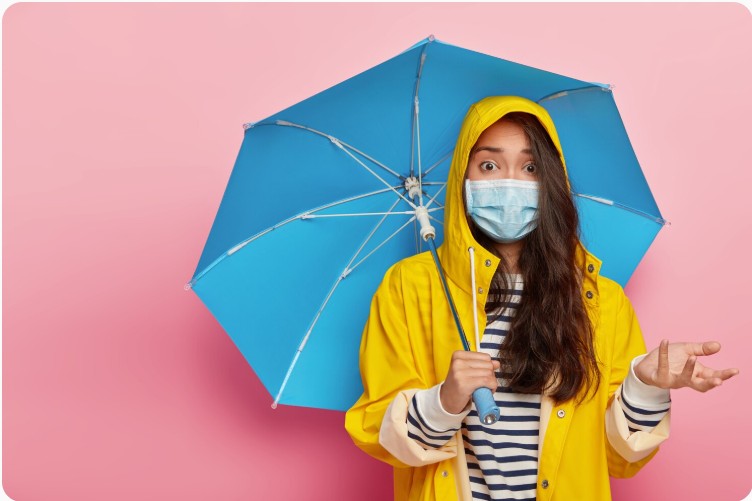
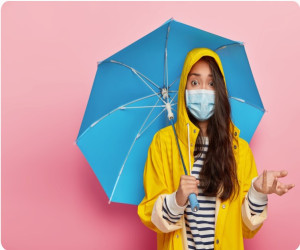
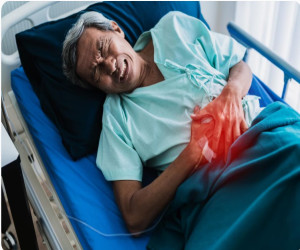
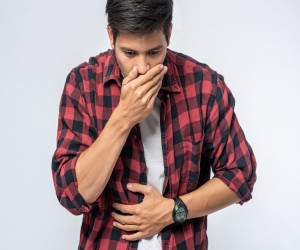
The monsoon season brings welcome relief from the intense summer heat, transforming the environment with cooler temperatures and refreshing rains. While the rainy season is often associated with pleasant weather, it also increases the risk of several infectious diseases. Excess humidity, waterlogging, stagnant water, and contamination of food and drinking water create ideal conditions for the spread of bacteria, viruses, parasites, and fungi. Every year, hospitals witness a significant rise in cases of dengue, malaria, typhoid, leptospirosis, cholera, and fungal infections during the monsoon months. Fortunately, most of these illnesses can be prevented through proper hygiene, safe food practices, and timely medical attention. At Olive Hospital, Hyderabad, our team of experienced physicians and infectious disease specialists emphasizes preventive healthcare and early diagnosis to help individuals and families stay safe during the rainy season. The monsoon season creates a favorable environment for disease-causing organisms due to: Understanding common monsoon-related diseases can help individuals take proactive steps to protect their health. Dengue fever is a mosquito-borne viral infection transmitted by the Aedes aegypti mosquito, which breeds in clean, stagnant water. Rainwater accumulation in containers, rooftops, construction sites, and open spaces creates ideal breeding grounds for mosquitoes, leading to a sharp rise in dengue cases during the rainy season. Malaria is caused by the Plasmodium parasite, transmitted through the bite of infected female Anopheles mosquitoes. Puddles, clogged drains, and waterlogged areas become breeding sites for mosquitoes, increasing malaria transmission. Leptospirosis is a bacterial infection that occurs through contact with water contaminated by the urine of infected animals, particularly rodents. Floodwater and poor drainage systems increase exposure to contaminated water, making infections more common during the rainy season. Typhoid fever is caused by the bacterium Salmonella Typhi, which spreads through contaminated food and water. Heavy rainfall can contaminate drinking water supplies and food sources, increasing the risk of typhoid infections. Cholera is a bacterial infection caused by Vibrio cholerae, usually spread through contaminated water. Flooding and waterlogging can contaminate drinking water systems, allowing cholera-causing bacteria to spread rapidly. High humidity and prolonged moisture exposure during the monsoon promote fungal growth on the skin, nails, and mucous membranes. Excessive sweating, damp clothing, and humid conditions create the ideal environment for fungal growth. Maintaining good hygiene is one of the most effective ways to prevent seasonal infections. A strong immune system helps the body fight infections more effectively. To support immunity: Do not ignore symptoms such as: Early medical evaluation can prevent complications and ensure timely treatment. At Olive Hospital, Hyderabad, our Internal Medicine specialists provide comprehensive diagnosis and treatment for seasonal infections and monsoon-related illnesses. From dengue and malaria management to gastrointestinal infections and preventive health guidance, our team is committed to helping patients stay healthy throughout the rainy season. Prompt diagnosis, expert care, and preventive education play a vital role in reducing the impact of seasonal diseases and ensuring better health outcomes. The monsoon season brings much-needed relief from the summer heat, but it also increases the risk of various infectious diseases. By maintaining good hygiene, consuming safe food and water, preventing mosquito breeding, and seeking timely medical attention when symptoms arise, individuals can significantly reduce their risk of illness. A few simple preventive measures can help you and your family enjoy the rainy season while staying healthy and protected. Increased humidity, stagnant water, poor sanitation, and contamination of food and water create favorable conditions for the growth and spread of disease-causing microorganisms. Yes. Most monsoon diseases can be prevented through proper hygiene, safe drinking water, mosquito control measures, and timely medical care. Leafy vegetables should be washed thoroughly and cooked properly before consumption. Avoid eating raw salads prepared under unhygienic conditions. Seafood may carry a higher risk of contamination during the rainy season. If consumed, it should be fresh and cooked thoroughly. Use mosquito repellents, eliminate stagnant water around your home, install window screens, and wear protective clothing to reduce mosquito exposure. Frequent handwashing, drinking safe water, keeping surroundings clean, drying wet clothes promptly, and disinfecting commonly touched surfaces can help prevent infections. Consult a doctor if you experience persistent fever, severe diarrhea, vomiting, dehydration, breathing difficulties, unusual skin rashes, or any symptoms that worsen over time.Monsoon Season Health Tips: Common Diseases, Symptoms & Prevention Guide
Stay Healthy This Monsoon with Expert Care at Olive Hospital, Hyderabad
Why Do Diseases Increase During the Monsoon?
Dengue Fever
What Causes Dengue?
Common Symptoms
Prevention Tips
Why Dengue Increases During Monsoon
Malaria
What Causes Malaria?
Common Symptoms
Prevention Tips
Why Malaria Increases During Monsoon
Leptospirosis
What Causes Leptospirosis?
Common Symptoms
Prevention Tips
Why Leptospirosis Increases During Monsoon
Typhoid Fever
What Causes Typhoid?
Common Symptoms
Prevention Tips
Why Typhoid Increases During Monsoon
Cholera
What Causes Cholera?
Common Symptoms
Prevention Tips
Why Cholera Increases During Monsoon
Fungal Infections
What Causes Fungal Infections?
Common Symptoms
Prevention Tips
Why Fungal Infections Increase During Monsoon
Essential Monsoon Hygiene Tips
Daily Hygiene Practices
Food Safety Measures
Strengthen Your Immunity
When Should You See a Doctor?
Monsoon Care at Olive Hospital, Hyderabad
Conclusion
Frequently Asked Questions (FAQs)
Why do infectious diseases increase during the monsoon season?
Can monsoon-related illnesses be prevented?
Is it safe to eat leafy vegetables during the rainy season?
Should seafood be avoided during the monsoon?
How can I protect my family from mosquito-borne diseases?
What is the best way to maintain hygiene during the monsoon?
When should I seek medical attention for a monsoon illness?