-
-
Olive Hospital: Nanalnagar, ‘X’ Road, Mehdipat...
Hyderabad TS - 500028

Contact Info
-
Address
Olive Hospital: Nanalnagar, ‘X’ Road, Mehdipatnam, Hyderabad.
Appointments: 040 40 499 500.
Olive Sarvodaya Hospital: Adj. to Asif Nagar Police Station, Asif Nagar, Hyderabad TS - 500028
Appointments: 040 67 499 500
Hyderabad TS - 500028 -
Phone
9951108100
-
Email
info@olivehospitals.com
22
May
Bladder Sensitivity
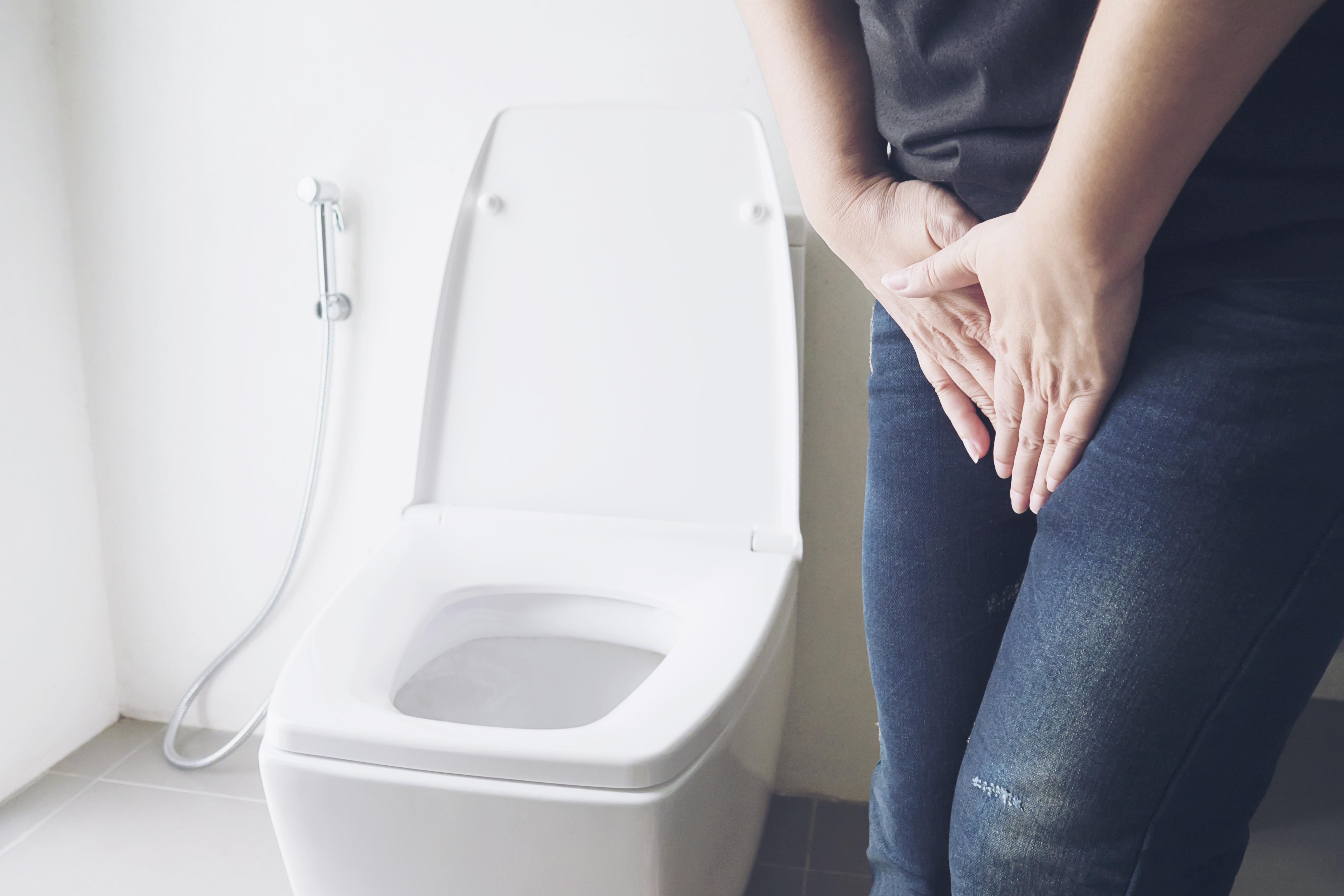
How Frequent Urination Affects Daily Life: Understanding Bladder Sensitivity & Routine Habits
Urination is a natural and essential body function, but when it becomes too frequent or starts interfering with everyday life, it may raise concern. Many people experience an increased urge to urinate during the day and often wonder whether it is caused by lifestyle habits, stress, hydration patterns, or an underlying urinary issue.
Frequent urination is not always linked to a serious medical condition. In some cases, it develops gradually due to routine behaviours and bladder sensitivity. In others, it may indicate changes in how the body regulates fluids and bladder function. Understanding the difference is important to know when simple lifestyle changes may help and when medical evaluation becomes necessary.
What Is Considered Frequent Urination?
There is no fixed number that defines “normal” urination for everyone. However, most healthy adults typically urinate around 6 to 8 times a day.
Frequent urination may be suspected when:
- Bathroom visits increase noticeably without a clear reason
- The urge becomes difficult to control
- It starts affecting work, sleep, travel, or daily comfort
- You feel the need to urinate again shortly after finishing
It is not only about how often you urinate, but also about urgency, bladder control, and how much it impacts your routine.
Habit vs Health: Understanding the Difference
In many individuals, frequent urination becomes part of a routine over time. The bladder may gradually adapt to these patterns and begin signalling the urge to urinate more often, even when it is not completely full.
When It May Be Habit-Related
Certain habits can train the bladder to empty more frequently, such as:
- Using the restroom “just in case”
- Urinating before every meeting or journey
- Anxiety-related bathroom visits
- Constant focus on bladder sensations
These behaviours can increase bladder sensitivity over time.
When It May Need Medical Attention
Frequent urination may require evaluation if you notice:
- Sudden changes in urinary frequency
- Strong urgency that is difficult to delay
- Pressure or discomfort in the lower abdomen
- Changes in urine flow or bladder control
How Hydration Affects Urinary Frequency
The body carefully balances fluid levels throughout the day. Hydration habits directly influence how often you urinate.
Common factors that may increase frequency include:
- Drinking large amounts of fluid at once
- Excess intake of caffeinated or stimulating beverages
- Irregular water intake throughout the day
At the same time, drinking too little water can also irritate the bladder because concentrated urine may trigger urgency.
Maintaining balanced hydration is important for healthy bladder function.
Understanding Bladder Sensitivity
The bladder stores urine and sends signals to the brain when it becomes full. In some individuals, the bladder may become overly sensitive.
This can result in:
- Feeling full even with small amounts of urine
- Frequent urges with minimal urine output
- Increased awareness of bladder sensations
Bladder sensitivity may develop due to stress, lifestyle habits, or changes in muscle coordination over time.
How Daily Routine Influences Bladder Habits
Modern lifestyles often affect urinary patterns more than people realise.
Frequent urination may become more noticeable due to:
- Long hours of sitting followed by sudden movement
- Irregular restroom access during work
- Habit-based bathroom schedules
- High-stress environments
Over time, these routines can condition the bladder to respond differently.
The Link Between Stress and Frequent Urination
The bladder is closely connected to the nervous system. Stress and anxiety can influence how often you feel the urge to urinate.
Stress-related urinary changes may include:
- Frequent urges without increased urine volume
- Difficulty delaying urination
- Constant awareness of bladder sensations
These symptoms do not always indicate a structural problem but may reflect how the body responds during periods of stress or heightened alertness.
Signs That May Suggest a Functional Bladder Issue
Sometimes frequent urination is related more to bladder function than disease itself.
You may notice:
- Sudden urges that disappear quickly
- Passing only small amounts of urine
- Symptoms varying with stress or surroundings
- Improvement when distracted or relaxed
These patterns are often linked to bladder sensitivity or behavioural habits.
When Changes in Urination Should Not Be Ignored
A stable urinary pattern is usually less concerning than one that changes unexpectedly.
Pay attention to:
- Gradually increasing frequency over weeks
- Reduced time between bathroom visits
- Increased urgency during certain times of day
- New pressure or discomfort in the lower abdomen
Monitoring these changes can help determine whether the issue is temporary or persistent.
How Frequent Urination Can Affect Daily Life
Even when not caused by a serious condition, frequent urination can affect overall quality of life.
Common challenges include:
- Planning activities around restroom availability
- Interruptions during meetings or travel
- Difficulty concentrating due to repeated urges
- Social discomfort or embarrassment
These issues can significantly affect daily confidence and comfort.
Simple Ways to Improve Bladder Control
When frequent urination is linked to habits or bladder sensitivity, small adjustments may help improve symptoms.
Helpful strategies include:
- Spacing fluid intake evenly throughout the day
- Avoiding unnecessary bathroom visits
- Gradually increasing the time between urination
- Following a consistent daily routine
- Practising relaxation and stress-management techniques
These steps can help retrain the bladder and restore better control over time.
Why Monitoring Patterns Is Important
Instead of focusing on occasional episodes, it is more helpful to observe urinary patterns over several days.
Keeping track of the following may help:
- Number of times you urinate
- Daily fluid intake
- Timing of urgency
- Situations that worsen symptoms
This information can provide useful insight if medical evaluation becomes necessary.
When Should You Consult a Doctor?
While many cases are harmless, medical attention is important if:
- Urinary frequency continues to increase
- There is difficulty controlling urination
- Urine flow changes noticeably
- Persistent lower abdominal discomfort develops
- Symptoms interfere with normal daily activities
Early evaluation can help identify underlying causes and guide appropriate treatment.
Why Ignoring Symptoms May Not Help
Many people assume frequent urination will improve on its own. While this may happen in temporary cases, persistent symptoms should not be ignored.
Delaying attention may:
- Reinforce unhealthy bladder habits
- Increase discomfort over time
- Delay the diagnosis of treatable conditions
Addressing symptoms early often leads to better management and improved comfort.
Conclusion
Frequent urination can sometimes result from routine habits, stress, or bladder sensitivity, but it may also indicate that the body needs medical attention. Understanding patterns, recognising changes, and making healthy adjustments can help improve bladder control and overall quality of life.
If urinary frequency is becoming disruptive or persistent, consulting experienced specialists can help identify the cause and provide the right guidance for long-term bladder health.
Frequently Asked Questions
1. Can frequent urination vary from day to day?
Yes, urinary frequency may change depending on hydration, weather, physical activity, and daily routine. Occasional variation is usually normal.
2. Can stress increase the urge to urinate?
Yes, stress and anxiety can increase bladder sensitivity and create frequent urges without a major physical problem.
3. Does drinking less water help control frequent urination?
No, reducing water intake excessively can irritate the bladder further. Balanced hydration is important.
4. Can bladder habits improve naturally?
Yes, habit-related urinary frequency may improve with lifestyle adjustments, bladder training, and stress management.
5. When should I seek medical advice for frequent urination?
You should consult a doctor if symptoms become persistent, worsen over time, affect daily life, or are associated with discomfort or loss of bladder control.