-
-
Olive Hospital: Nanalnagar, ‘X’ Road, Mehdipat...
Hyderabad TS - 500028

Contact Info
-
Address
Olive Hospital: Nanalnagar, ‘X’ Road, Mehdipatnam, Hyderabad.
Appointments: 040 40 499 500.
Olive Sarvodaya Hospital: Adj. to Asif Nagar Police Station, Asif Nagar, Hyderabad TS - 500028
Appointments: 040 67 499 500
Hyderabad TS - 500028 -
Phone
9951108100
-
Email
info@olivehospitals.com
19
Oct
Asthma and Its Triggers: What You Need to Know
What Is Asthma?
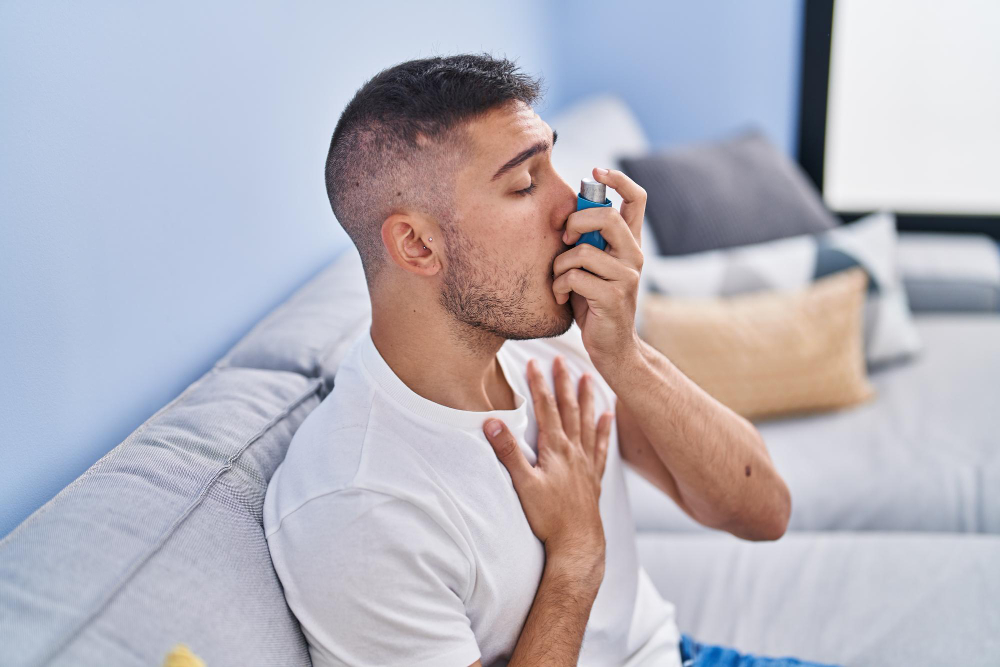
Asthma and its triggers are important topics for anyone with breathing problems. Asthma is a long-term condition that affects the airways in your lungs. When you have asthma, your airways become swollen and narrow. As a result, it can be hard to breathe. According to the CDC, millions of people in the United States have asthma. While anyone can get asthma, it often starts in childhood. However, adults can develop it too. For many, asthma symptoms come and go. But some people have symptoms every day. Because asthma can be serious, it is important to know the signs and triggers.
Common Symptoms of Asthma
Asthma symptoms can be mild or severe. Sometimes, they appear only during certain activities. For example, you may notice symptoms while exercising or at night. But not everyone has the same signs. Common asthma symptoms include:
- Coughing, especially at night or early morning
- Wheezing, which sounds like a whistling noise when you breathe
- Shortness of breath, even during light activity
- Chest tightness or pain
In some cases, symptoms get worse quickly. This is called an asthma attack. If you notice your symptoms are getting worse, you should seek help right away. Early treatment can prevent serious problems.
Main Triggers of Asthma Attacks
Many things can trigger asthma attacks. Triggers are different for each person. However, knowing your triggers can help you avoid them. Common asthma triggers include:
- Allergens like pollen, dust mites, mold, or pet dander
- Smoke from cigarettes or fires
- Strong smells, such as perfumes or cleaning products
- Cold air or sudden weather changes
- Exercise, especially in cold or dry air
- Respiratory infections like colds or the flu
- Stress or strong emotions
Because triggers can change over time, it is important to keep track of what causes your symptoms. That way, you can work with your doctor to manage your asthma better.
How Asthma Is Diagnosed
Doctors use several steps to diagnose asthma. First, they ask about your symptoms and medical history. Next, they may perform a physical exam. In addition, you might need breathing tests. These tests measure how well your lungs work. For example, a spirometry test checks how much air you can breathe out. Sometimes, doctors use allergy tests to find out if allergies are causing your asthma. Because asthma can look like other lung problems, it is important to get the right diagnosis. Early diagnosis helps you start treatment sooner.
Treatment Options for Asthma
Asthma treatment focuses on controlling symptoms and preventing attacks. Most people use two types of medicine:
- Quick-relief inhalers for sudden symptoms
- Long-term control medicines to prevent symptoms
Doctors may also suggest allergy medicine if allergies trigger your asthma. In some cases, you may need more than one medicine. Because asthma is different for everyone, your doctor will help you find the best plan. Regular check-ups are important to keep your asthma under control.
Lifestyle Tips for Managing Asthma
Managing asthma goes beyond medicine. There are many steps you can take at home. For instance, you can:
- Keep your home free of dust and pet hair
- Use air filters to reduce allergens
- Wash bedding in hot water every week
- Avoid smoking or secondhand smoke
- Stay active, but talk to your doctor about safe exercise
- Follow your asthma action plan
Because triggers can be different for everyone, it helps to keep a diary of your symptoms. That way, you can spot patterns and avoid things that make your asthma worse.
Preventing Asthma Attacks
Preventing asthma attacks is possible with the right steps. First, take your medicine as prescribed. Next, avoid known triggers whenever you can. In addition, get a yearly flu shot to lower your risk of lung infections. If you have allergies, try to limit your exposure. For example, stay indoors when pollen counts are high. Finally, always carry your quick-relief inhaler. Early action can stop an asthma attack from getting worse. By working with your doctor and following these tips, you can reduce your risk of asthma attacks.
Conclusion
If you have questions about asthma or need help managing your symptoms, Olive Hospitals is here for you. Book a consultation today to get personalized care and support.