-
-
Olive Hospital: Nanalnagar, ‘X’ Road, Mehdipat...
Hyderabad TS - 500028

Contact Info
-
Address
Olive Hospital: Nanalnagar, ‘X’ Road, Mehdipatnam, Hyderabad.
Appointments: 040 40 499 500.
Olive Sarvodaya Hospital: Adj. to Asif Nagar Police Station, Asif Nagar, Hyderabad TS - 500028
Appointments: 040 67 499 500
Hyderabad TS - 500028 -
Phone
9951108100
-
Email
info@olivehospitals.com
13
Oct
Urology: Enlarged Prostate – Causes, Symptoms, and Treatment
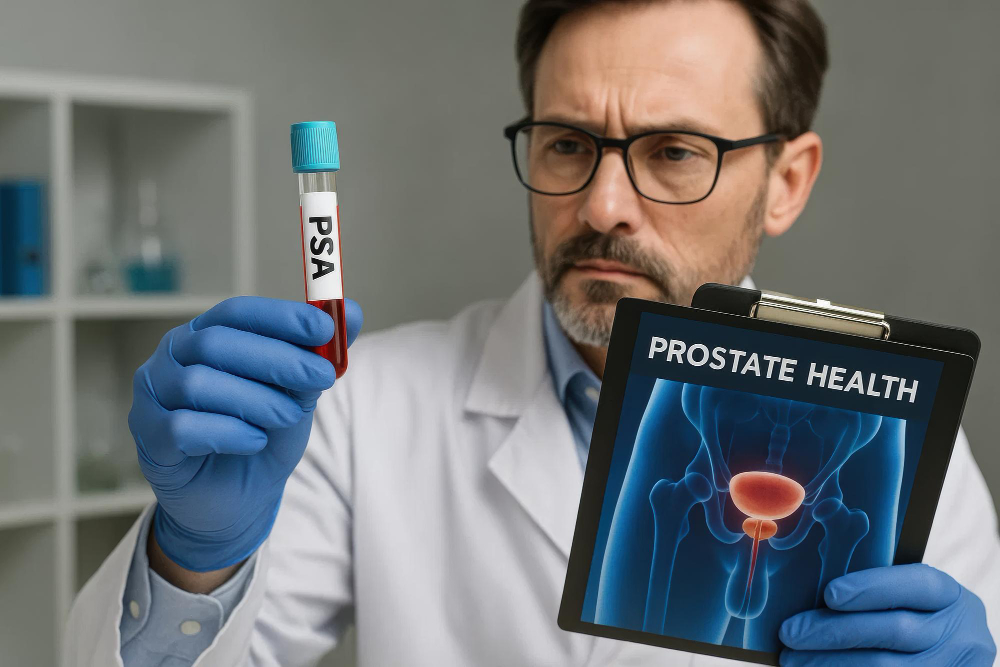
What Is an Enlarged Prostate?
The prostate is a small gland found only in men. It sits below the bladder and surrounds the tube that carries urine out of the body. When the prostate gets bigger, doctors call this an enlarged prostate. Often, this condition is known as benign prostatic hyperplasia (BPH). While BPH is not cancer, it can cause problems with urination. According to the CDC, many men over age 50 experience some signs of an enlarged prostate. Because the prostate grows slowly, symptoms may appear over time.
Common Causes of Enlarged Prostate
Several factors can lead to an enlarged prostate. Although the exact cause is not always clear, doctors have found some common reasons. For example, age is a major factor. As men get older, hormone levels change, which can affect the prostate. In addition, family history may play a role. If your father or brother had BPH, you might be more likely to develop it. Sometimes, lifestyle choices and certain health conditions can also increase risk.
- Getting older (especially after age 50)
- Changes in male hormones
- Family history of prostate problems
- Obesity or lack of physical activity
- Heart disease or diabetes
According to the National Institutes of Health, these factors can increase the chance of developing BPH.
Recognizing Symptoms of Enlarged Prostate
Many men notice changes in how they urinate as the prostate grows. For instance, you may feel the need to urinate more often, especially at night. Sometimes, it can be hard to start or stop the flow of urine. Because these symptoms can affect daily life, it is important to recognize them early. Here are some common enlarged prostate symptoms:
- Frequent urge to urinate, even at night
- Weak or slow urine stream
- Difficulty starting urination
- Dribbling at the end of urination
- Feeling that the bladder is not empty
However, these symptoms may also be caused by other health issues. Therefore, always talk to your doctor if you notice changes.
How Enlarged Prostate Is Diagnosed
Doctors use several methods to check for an enlarged prostate. First, they will ask about your symptoms and medical history. Next, a doctor may perform a physical exam. Often, this includes a digital rectal exam, where the doctor gently feels the prostate. In addition, urine tests can help rule out infections. Sometimes, doctors use blood tests to check for other problems. For a closer look, imaging tests like ultrasound may be used. According to the CDC, these steps help doctors find the best treatment plan.
Treatment Options for Enlarged Prostate
Treatment for an enlarged prostate depends on how severe the symptoms are. For mild symptoms, doctors may suggest simple changes in daily habits. However, if symptoms are bothersome, medicine or other treatments may be needed. Here are some common prostate treatment options:
- Medications to relax the muscles around the prostate
- Drugs to shrink the prostate over time
- Minimally invasive procedures, such as heat therapy
- Surgery to remove part of the prostate (for severe cases)
Because each person is different, your doctor will help choose the best option for you. The American Urological Association recommends regular follow-up to track progress.
Lifestyle Tips for Managing Enlarged Prostate
While medical treatment is important, daily habits can also make a difference. For instance, drinking less fluid in the evening may help reduce nighttime trips to the bathroom. In addition, avoiding caffeine and alcohol can help with symptoms. Here are some helpful lifestyle tips:
- Stay active with regular exercise
- Eat a balanced diet rich in fruits and vegetables
- Limit caffeine and alcohol
- Try to urinate regularly and do not rush
- Manage stress with relaxation techniques
According to the Mayo Clinic, these steps can support prostate health and improve comfort.
Preventive Measures for Prostate Health
Even though you cannot prevent all prostate problems, some steps may lower your risk. For example, regular check-ups can help catch changes early. Additionally, keeping a healthy weight and staying active are important. Here are some preventive measures:
- See your doctor for regular prostate exams
- Maintain a healthy weight
- Exercise most days of the week
- Eat foods high in fiber and low in fat
- Do not smoke and limit alcohol use
Because early action can make a big difference, talk to our doctor if you have concerns about your prostate.
Noticing these symptoms? Get your prostate checked
Book a consultation with our experts today at Olive Hospitals.