-
-
Olive Hospital: Nanalnagar, ‘X’ Road, Mehdipat...
Hyderabad TS - 500028
Contact Info
-
Address
Olive Hospital: Nanalnagar, ‘X’ Road, Mehdipatnam, Hyderabad.
Appointments: 040 40 499 500.
Olive Sarvodaya Hospital: Adj. to Asif Nagar Police Station, Asif Nagar, Hyderabad TS - 500028
Appointments: 040 67 499 500
Hyderabad TS - 500028 -
Phone
9951108100
-
Email
info@olivehospitals.com
09
Oct
World Heart Day: Diabetes and Heart Disease — The Connection You Should Know

What is World Heart Day?
Every year, World Heart Day reminds us to care for our hearts. This global event takes place on September 29. The World Heart Federation started it to raise awareness about heart health. Many people join activities and learn about ways to protect their hearts. For example, some attend free health checks or join walks. World Heart Day focuses on preventing heart disease and sharing important facts. Because heart disease is a leading cause of death worldwide, this day matters to everyone.
Understanding Diabetes and Heart Disease
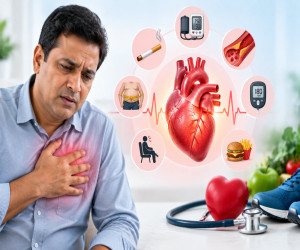
Diabetes and heart disease often go hand in hand. The diabetes and heart disease connection is strong. Diabetes happens when your body cannot control blood sugar well. Over time, high blood sugar can harm blood vessels and the heart. As a result, people with diabetes have a higher risk of heart disease. Heart disease includes problems like heart attacks, chest pain, and blocked arteries. Both conditions are common and serious. In fact, the CDC says people with diabetes are twice as likely to have heart disease as those without diabetes.
How Diabetes Increases Heart Disease Risk
When blood sugar stays high, it damages blood vessels. This damage makes it easier for fat to build up in the arteries. Because of this, the heart has to work harder to pump blood. Over time, this can lead to heart attacks or strokes. In addition, diabetes often comes with high blood pressure and high cholesterol. These problems make heart disease even more likely. For example, the American Heart Association notes that about 68% of people with diabetes die from heart-related problems. Clearly, preventing heart disease with diabetes is very important.
Common Symptoms to Watch For
Sometimes, heart disease has no clear signs. Still, it helps to know what to look for. Early action can save lives. Watch for these symptoms:
- Chest pain or pressure, especially during activity
- Shortness of breath, even when resting
- Feeling tired or weak without reason
- Swelling in your legs, feet, or ankles
- Irregular heartbeat or palpitations
If you have diabetes, do not ignore these signs. Instead, talk to your doctor right away. Sometimes, symptoms are mild or easy to miss. That is why regular check-ups are key.
Diagnosis: What to Expect
Doctors use several tests to check for heart disease. First, they may ask about your medical history and symptoms. Next, they might do a physical exam. Often, tests include:
- Blood tests to check cholesterol and blood sugar
- Electrocardiogram (ECG) to look at heart rhythm
- Stress tests to see how your heart works during activity
- Imaging tests, such as an echocardiogram or ultrasound
Because early diagnosis helps prevent serious problems, regular screenings matter. If you have diabetes, your doctor may suggest more frequent checks. This helps spot issues early and start treatment sooner.
Treatment Options and Medical Management
Treating heart disease with diabetes often needs a team approach. Doctors may use medicine to lower blood sugar, blood pressure, or cholesterol. Sometimes, they suggest changes to your diet or exercise routine. In some cases, you may need procedures to open blocked arteries. For example, a stent or bypass surgery might be needed. Regular follow-ups help track your progress. Because everyone is different, your doctor will create a plan just for you. Managing both diabetes and heart disease can lower your risk of problems.
Lifestyle Tips for Prevention and Heart Health
Good habits can make a big difference. Even small changes help protect your heart. Try these tips:
- Eat more fruits, vegetables, and whole grains
- Choose lean proteins and healthy fats
- Stay active with daily walks or gentle exercise
- Keep a healthy weight
- Avoid smoking and limit alcohol
- Check your blood sugar, blood pressure, and cholesterol often
- Manage stress with relaxation or hobbies
Because prevention is easier than treatment, start these habits early. If you already have diabetes, these steps can help prevent heart disease. Many people find support from friends, family, or local groups. World Heart Day heart health events may offer more ideas and resources.
Key Facts and Statistics
Knowing the facts can help you make better choices. Here are some important points:
- According to the World Health Organization, heart disease is the top cause of death worldwide.
- The CDC reports that adults with diabetes are twice as likely to have heart disease or a stroke.
- About 1 in 3 adults in the United States has high blood pressure, which raises heart risk.
- Healthy lifestyle changes can lower the risk of heart disease by up to 80%.
- World Heart Day aims to reach millions of people each year with heart health messages.
Because the diabetes and heart disease connection is so strong, learning about both can save lives. Stay informed and take steps to protect your heart every day. Consult at Olive Hospitals for personalised treatment solutions.