-
-
Olive Hospital: Nanalnagar, ‘X’ Road, Mehdipat...
Hyderabad TS - 500028
Contact Info
-
Address
Olive Hospital: Nanalnagar, ‘X’ Road, Mehdipatnam, Hyderabad.
Appointments: 040 40 499 500.
Olive Sarvodaya Hospital: Adj. to Asif Nagar Police Station, Asif Nagar, Hyderabad TS - 500028
Appointments: 040 67 499 500
Hyderabad TS - 500028 -
Phone
9951108100
-
Email
info@olivehospitals.com
23
Nov
Sudden Confusion or Speech Trouble: Recognising Stroke Early
What Is a Stroke?
A stroke happens when blood flow to part of the brain stops. Without blood, brain cells start to die quickly. As a result, sudden confusion or speech trouble can appear. Recognising stroke early can save lives and prevent lasting damage. According to the CDC, stroke is a leading cause of death and disability worldwide. There are two main types of stroke. First, an ischemic stroke is caused by a blocked blood vessel. Second, a hemorrhagic stroke is caused by a burst blood vessel. Both types need fast treatment.
Why Sudden Confusion or Speech Trouble Matters
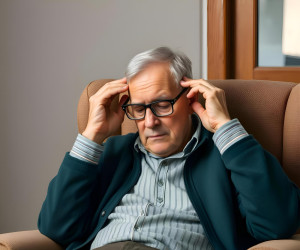
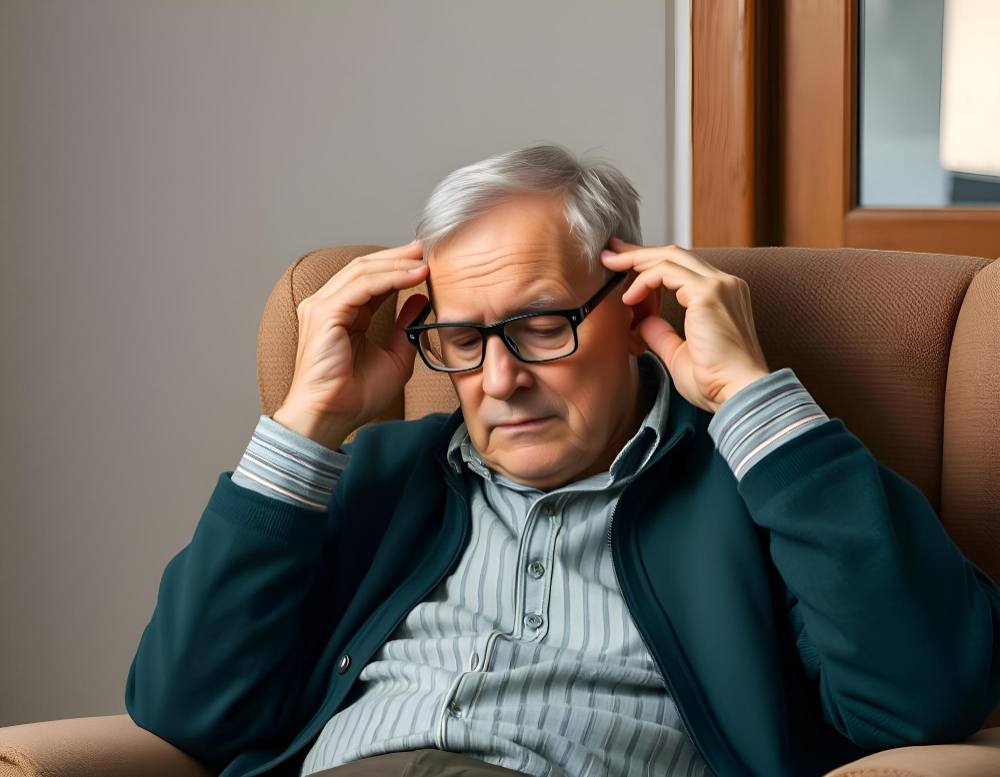
Sudden confusion or speech trouble are often early signs of stroke. For example, a person may suddenly have trouble speaking or understanding others. These signs can appear without warning. Because the brain controls speech and thinking, a stroke can affect these skills right away. Early treatment can help limit brain damage. Therefore, knowing these signs helps you act quickly. In many cases, people ignore these symptoms. However, acting fast can make a big difference in recovery.
Common Symptoms to Watch For
It is important to know the early signs of stroke. While sudden confusion and speech trouble are key signs, other symptoms may also appear. Watch for these warning signs:
- Sudden confusion or trouble understanding speech
- Sudden trouble speaking clearly
- Sudden numbness or weakness in the face, arm, or leg, especially on one side
- Sudden trouble seeing in one or both eyes
- Sudden trouble walking, dizziness, or loss of balance
- Sudden severe headache with no known cause
Sometimes, only one symptom appears. Even so, it is important to get help right away. The faster you act, the better the chance for recovery.
Causes and Risk Factors
Several things can raise the risk of stroke. Some risk factors can be changed, while others cannot. For example, age and family history are risks you cannot change. However, you can lower other risks by making healthy choices. Common risk factors include:
- High blood pressure
- Smoking
- Diabetes
- High cholesterol
- Heart disease
- Obesity
- Physical inactivity
- Heavy alcohol use
In some locations, air pollution or poor access to healthcare can also raise stroke risk. Knowing your risks helps you take steps to prevent stroke.
How Stroke Is Diagnosed
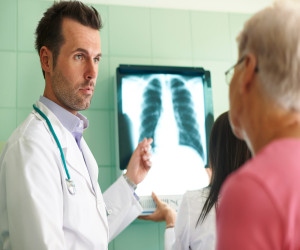
Doctors use several tools to diagnose stroke. First, they ask about symptoms and medical history. Next, they perform a physical exam. Often, doctors use brain scans to see if a stroke has happened. These scans include:
- CT scan (a special X-ray of the brain)
- MRI scan (a detailed picture of the brain)
Blood tests and heart tests may also be done. Because time is critical, doctors work fast to confirm a stroke. Quick diagnosis helps start treatment sooner.
Treatment Options
Treatment depends on the type of stroke. For an ischemic stroke, doctors may use clot-busting medicine. This medicine works best when given within a few hours of symptoms starting. Sometimes, doctors use special tools to remove the clot. For a hemorrhagic stroke, treatment may include medicine to control bleeding or surgery to repair blood vessels. After the emergency, therapy helps people regain skills like speech and movement. Early treatment improves the chance of recovery.
Prevention and Lifestyle Tips
While some risk factors cannot be changed, many can. Making healthy choices lowers your risk of stroke. Try these tips:
- Keep blood pressure under control
- Eat a balanced diet with fruits and vegetables
- Exercise regularly
- Do not smoke
- Limit alcohol
- Manage diabetes and cholesterol
- See your doctor for regular check-ups
In some areas, community programs help people learn about stroke prevention. Wherever you live, knowing the early signs of stroke can help you and your loved ones stay safe.