-
-
Olive Hospital: Nanalnagar, ‘X’ Road, Mehdipat...
Hyderabad TS - 500028

Contact Info
-
Address
Olive Hospital: Nanalnagar, ‘X’ Road, Mehdipatnam, Hyderabad.
Appointments: 040 40 499 500.
Olive Sarvodaya Hospital: Adj. to Asif Nagar Police Station, Asif Nagar, Hyderabad TS - 500028
Appointments: 040 67 499 500
Hyderabad TS - 500028 -
Phone
9951108100
-
Email
info@olivehospitals.com
04
Nov
Renal Stones: Symptoms, Causes, Diagnosis, Treatment, and Prevention
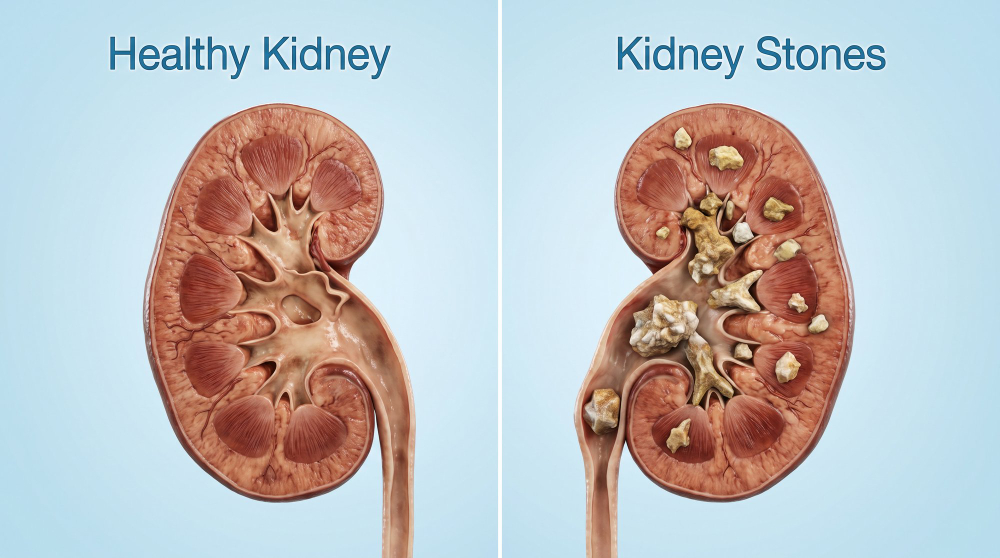
What Are Renal Stones?
Renal stones, also called kidney stones, are hard lumps that form in the kidneys. These stones develop when certain minerals or salts build up in the urine. Over time, they can become large enough to cause pain or block the flow of urine. In many cases, renal stones pass on their own. However, some may need medical help. According to the CDC, kidney stones are a common health problem worldwide.
Common Symptoms of Renal Stones
Often, renal stones do not cause symptoms until they move within the kidney or pass into the tubes that carry urine. When this happens, you may notice:
- Severe pain in the back, side, or lower belly
- Pain that comes and goes in waves
- Pain while urinating
- Pink, red, or brown urine
- Cloudy or foul-smelling urine
- Feeling the need to urinate often
- Nausea or vomiting
- Fever and chills, if an infection is present
Sometimes, small stones may pass without causing any symptoms. However, larger stones can cause severe kidney stone symptoms that need quick care.
Causes and Risk Factors
Renal stones form when urine contains more crystal-forming substances than the fluid can dilute. For example, high levels of calcium, oxalate, or uric acid can lead to stone formation. Several factors increase the risk of renal stones:
- Not drinking enough water
- Eating a diet high in salt, sugar, or protein
- Family history of kidney stones
- Obesity or being overweight
- Digestive diseases or surgery
- Certain medical conditions, like urinary tract infections
- Some medicines that raise calcium or uric acid levels
For instance, living in hot climates like Texas or Arizona may increase risk, as people may lose more water through sweat. Knowing the risk factors for renal stones can help you make healthy choices.
How Renal Stones Are Diagnosed
Doctors use several tests to diagnose renal stones. First, they may ask about your symptoms and medical history. Next, they might order urine or blood tests to check for signs of stones or infection. Imaging tests help find the size and location of the stones. For example, a CT scan or ultrasound is often used. Sometimes, an X-ray may also help. These tests show if you have one or more stones and guide the best treatment for renal stones.
Treatment Options for Renal Stones
Treatment for renal stones depends on the size, type, and location of the stone. Small stones often pass on their own with extra fluids and pain relief. However, larger stones may need more help. Your doctor may suggest:
- Drinking plenty of water to flush out the stone
- Taking pain medicine or medicine to relax the urinary tract
- Using sound waves (shock wave therapy) to break up stones
- Removing stones with a thin tube (ureteroscopy)
- Surgery, in rare cases, for very large stones
In some cases, treating an infection is also needed. Always follow your doctor’s advice for the best outcome.
Prevention Tips and Lifestyle Guidance
Preventing renal stones is possible with healthy habits. For example, drinking enough water each day helps keep urine diluted. Most adults should aim for at least 8 glasses of water daily. You can also lower your risk by:
- Eating less salt and animal protein
- Adding more fruits and vegetables to your meals
- Limiting foods high in oxalate, such as spinach or nuts
- Staying at a healthy weight
- Following your doctor’s advice about medicines or supplements
Because some people have a higher risk, your doctor may suggest special tests or a custom diet. If you have had kidney stones before, ask your healthcare provider about how to prevent kidney stones in the future. Simple changes can make a big difference in your kidney health.
Conclusion
If you have symptoms of renal stones or want to learn about prevention, book a consultation at Olive Hospitals. Our team is here to support your kidney health and answer your questions.