
-
-
Olive Hospital: Nanalnagar, ‘X’ Road, Mehdipat...
Hyderabad TS - 500028

Contact Info
-
Address
Olive Hospital: Nanalnagar, ‘X’ Road, Mehdipatnam, Hyderabad.
Appointments: 040 40 499 500.
Olive Sarvodaya Hospital: Adj. to Asif Nagar Police Station, Asif Nagar, Hyderabad TS - 500028
Appointments: 040 67 499 500
Hyderabad TS - 500028 -
Phone
9951108100
-
Email
info@olivehospitals.com
10
Jul
Beyond the Glucometer
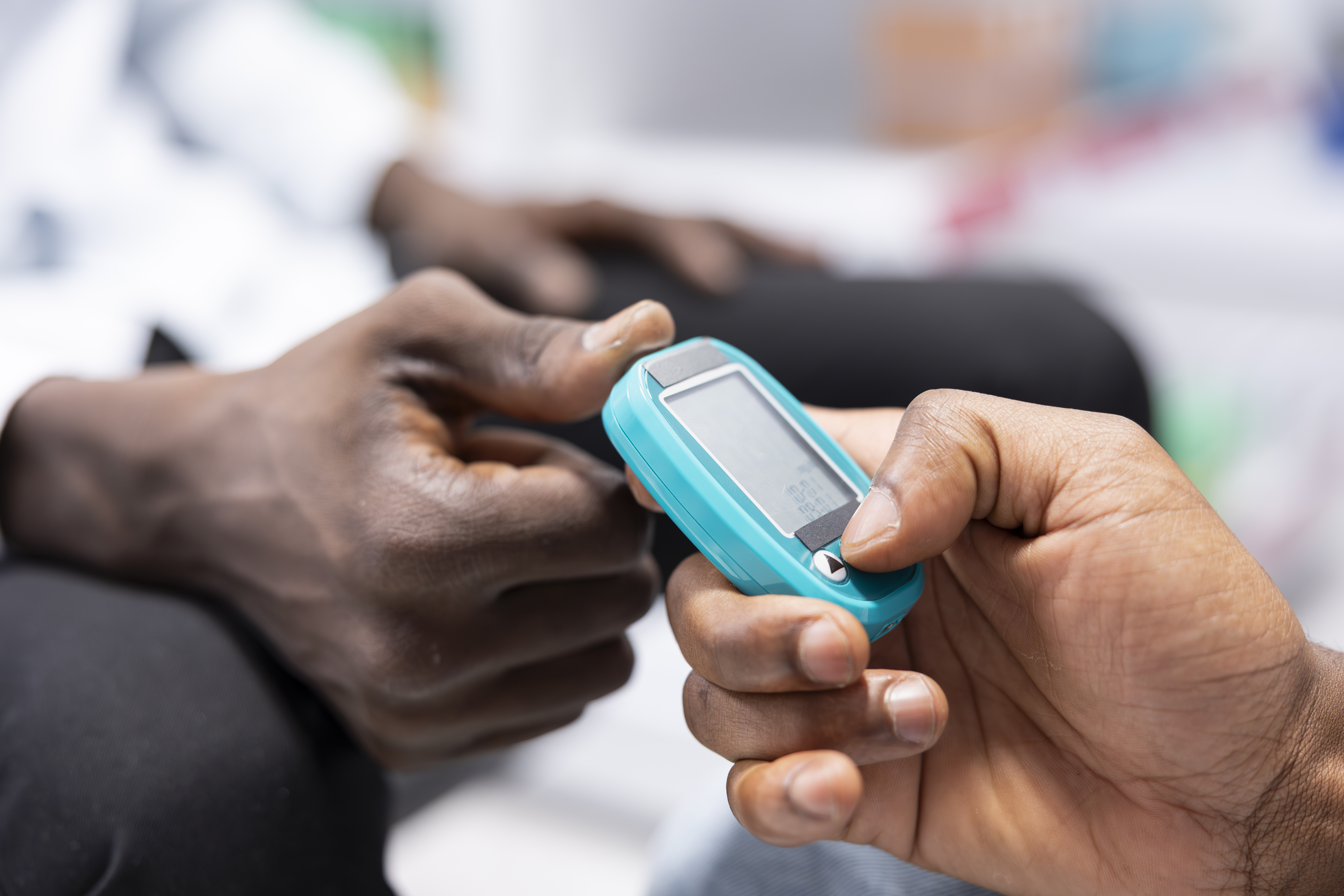
Beyond the Glucometer: Why Your Diabetic Health Check-Up is Your Most Powerful Tool | Olive Hospital, Hyderabad
Living with diabetes is more than a condition; it is a journey of consistent, proactive self-care. At Olive Hospital, Hyderabad, we understand that true diabetes management extends far beyond daily blood sugar checks and timely medication. It involves a partnership—a collaborative commitment between you and your healthcare team to safeguard your long-term well-being. The cornerstone of this partnership is the regular, comprehensive diabetic health check up. These visits are not mere formalities; they are strategic, preventative health investments designed to detect silent complications, optimize your treatment, and empower you to live a full, vibrant life.
The Silent Progression: Why "Feeling Fine" Isn't Enough
Diabetes mellitus affects how your body processes glucose, leading to elevated blood sugar levels. When these levels remain high over time, they can insidiously damage blood vessels and nerves throughout your body. The most critical aspect of this damage is that it often progresses without any initial symptoms. You may feel perfectly well while microscopic changes are occurring in your eyes, kidneys, heart, and nerves.
This is where routine check-ups at Olive Hospital’s Department of Endocrinology & Diabetology become your essential early warning system. They transform invisible risks into measurable data, allowing us to intervene long before a complication becomes symptomatic or irreversible.
The Olive Hospital Diabetic Health Assessment: A 360-Degree View
Our structured check-up is a holistic evaluation, moving far beyond a simple glucose test. It is designed to provide a complete picture of your metabolic health and organ function.
- Glycemic Control Assessment:
- Fasting & Post-Prandial Blood Glucose: Snapshots of your daily sugar control.
- HbA1c (Glycated Haemoglobin): The gold-standard test, revealing your average blood sugar level over the past 2-3 months. It is the most reliable indicator of long-term control and guides core treatment decisions.
- Cardiovascular & Metabolic Health Screening:
- Blood Pressure Monitoring: Hypertension and diabetes are a dangerous duo, exponentially increasing the risk of stroke, heart attack, and kidney disease. Tight control is non-negotiable.
- Lipid Profile: We assess your cholesterol (HDL, LDL) and triglyceride levels. Dyslipidemia is common in diabetes and a primary contributor to atherosclerosis.
- Body Composition Analysis: We evaluate BMI and waist-to-hip ratio, as central obesity is closely linked to insulin resistance.
- Vital Organ Function Tests:
- Renal (Kidney) Function Panel: Through tests like serum creatinine, eGFR, and urine microalbumin, we detect the earliest signs of diabetic nephropathy—often when it is still fully reversible.
- Comprehensive Eye Screening: Our ophthalmologists perform a detailed diabetic retinopathy screening, examining the retina for changes in its delicate blood vessels. Early detection prevents vision loss.
- Neurological & Foot Examination: We conduct a thorough foot check for sensation (using a monofilament), pulses, skin integrity, and early signs of neuropathy or ulceration. This simple exam is crucial for preventing debilitating complications.
The Proactive Shield: How Check-Ups Prevent Complications
These assessments are the bedrock of prevention. By tracking trends, we can:
- Preserve Vision by identifying retinopathy at a stage treatable with laser or injections.
- Protect Kidney Function by implementing protective medications (like SGLT2 inhibitors or ACE inhibitors) at the first sign of microalbuminuria.
- Fortify Heart Health by aggressively managing blood pressure and cholesterol alongside glucose.
- Prevent Foot Ulcers & Amputations through early neuropathy detection and patient education on daily foot care.
- Enhance Quality of Life by fine-tuning your regimen to minimize highs and lows, boosting energy, and providing peace of mind.
Your Role Between Visits: The Power of Daily Self-Management
Your check-up is a milestone in your ongoing care. Its effectiveness is magnified by your daily self-care practices, which we help you perfect:
- Structured Nutrition: Our certified diabetes educators work with you to create a sustainable, balanced diet plan rich in fibre, lean protein, and healthy fats—not just a restrictive list.
- Tailored Physical Activity: We design an exercise regimen that fits your life, knowing that regular activity is a potent insulin sensitizer.
- Informed Self-Monitoring: We teach you not just to take readings, but to understand and act on them, using modern tools like continuous glucose monitors (CGMs) where beneficial.
- Mental & Emotional Wellbeing: We address diabetes distress, anxiety, and stress management through counselling, recognizing their direct impact on glycemic control.
The Olive Hospital Follow-Up Schedule: Personalized & Proactive
While general guidelines exist, your check-up frequency at Olive Hospital is personalized. A typical framework includes:
- Every 3-4 Months: Consultation with your endocrinologist, HbA1c test, BP check, and medication review.
- Every 6 Months: Comprehensive foot exam, lipid profile review, and nutritional counselling.
- Annually: Detailed eye screening, complete kidney function tests (eGFR, urine microalbumin), and a full annual comprehensive health review.
Crucially, any new or worsening symptom—be it blurred vision, tingling in your feet, unexplained fatigue, or frequent infections—warrants an immediate visit, not waiting for the next scheduled appointment.
Correcting Common Missteps: A Guide to Empowered Care
We often see well-intentioned patients make these understandable errors:
- Skipping appointments when numbers "seem okay." Stability is the goal, and maintenance is key.
- Arriving unprepared. Bringing your glucose log, medication list, and questions maximizes visit efficiency.
- Self-adjusting medications based on a few readings, which can be dangerous.
- Compartmentalizing care. Your dental health, skin health, and mental health are integral to diabetes management and are part of our holistic discussion.
Conclusion: Your Health, Our Shared Commitment
At Olive Hospital, Hyderabad, we view diabetes management not as a burden, but as an opportunity to cultivate profound health awareness. Regular, comprehensive check-ups are the most powerful tool in this endeavor. They are the bridge between daily diligence and long-term vitality, allowing you to stay confidently ahead of your condition.
Embrace these visits as proactive strategy sessions. Together, we will translate data into actionable insights, fine-tune your personal health blueprint, and ensure that diabetes remains just one aspect of your life—not the defining one. Schedule your next comprehensive diabetic review with us, and take confident control of your health journey.
Frequently Asked Questions (FAQs)
- Can excellent control from check-ups change my medication needs?
Absolutely. The goal of monitoring is to optimize your regimen. With sustained improvement through lifestyle and medication, doses may be reduced. In some cases of Type 2 diabetes, early and aggressive control can even lead to medication-free remission, which we actively work towards. - What advanced screening does Olive Hospital offer beyond standard tests?
We offer Cardiac CT scans for coronary calcium scoring to assess heart attack risk, advanced neuropathy testing, and access to Continuous Glucose Monitoring (CGM) systems for detailed glycemic pattern analysis, far beyond finger-stick readings. - I manage my diet strictly. Why are kidney and eye checks still necessary?
While diet is crucial, genetic predisposition and the individual vascular impact of glucose mean complications can still arise even with careful management. Regular screening is the only way to detect and treat these changes at the earliest, most reversible stage. - How does Olive Hospital support lifestyle changes beyond advice?
We offer structured programs: customized diet plans by clinical nutritionists, supervised fitness guidance, diabetes self-management education (DSME) workshops, and support groups to foster community and shared learning. - What is the one thing I must bring to every check-up?
Your blood glucose monitoring device or diary. The patterns in your day-to-day readings are invaluable data that a single HbA1c cannot show, allowing for precise medication and lifestyle adjustments.